
## The Revival of Luxury Brands in China
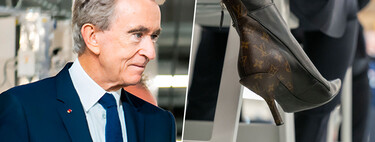
In Shanghai, the Lunar New Year witnessed an overwhelming sight: lines snaked around the corner of the iconic Louis Vuitton store, designed to resemble the bow of a cruise ship. After a significant downturn spurred by the tariff wars between the US and China, luxury brands have effectively recaptured the attention of Chinese consumers towards fashion and cosmetics.
### Impact of Tariffs on Luxury Sales
The once-booming market for luxury brands like L’Oreal, LVMH, and Burberry encountered severe setbacks as sales plummeted. The financial repercussions were particularly stark for Bernard Arnault, LVMH’s president and the former richest man in the world in 2023, who saw his fortune slip to ninth place among global billionaires.
#### Unforeseen Challenges
The inception of the year brought sound prospects, but these quickly shifted into turmoil. Striking reciprocal tariffs of up to 20% on European goods posed a threat to luxury products, making them more expensive just as brands began to focus on the US market. Brands such as Rolex and TAG Heuer were especially vulnerable, with manufacturing strictly located in Switzerland.
Complicating matters, geopolitical tensions, including the ongoing war in Iran, disrupted shopping habits in major luxury hubs like Dubai, responsible for 6% of LVMH’s sales. LVMH’s financial director, Cécile Cabanis, admitted that demand in this region was significantly low at the year’s start, adversely affecting growth.
### China Sparks a Change in Luxury Consumption
Despite the challenges, economic shifts in China have started to reignite luxury consumption. The ChiNext, Shenzhen’s technology index, broke previous records and surged by 26% within the year. This growth reflects a changing landscape where traditional savings are being redirected from household accounts into the stock market, indicating a burgeoning interest in luxury purchases.
#### A Shift in Spending Behaviors
According to McKinsey, the proportion of household savings has drastically decreased from approximately 90% in 2016 to just a third the previous year. This transformation suggests that as investments flourish, luxury consumption is on the rise. Daniel Zipser, a McKinsey partner, noted that these changes signify promising trends for consumer behavior in China.
### Confirmed Recovery in Luxury Sales
Recent data from the Chinese National Bureau of Statistics indicates that sales in the cosmetics sector grew by 5.6% from January to April. High-end beauty products have notably thrived, with L’Oréal reporting sales increases between 5% and 9% during the first quarter. Platforms like Alibaba recorded a 39% rise in sales for the top ten luxury beauty brands, contrasting with declines in lower-end product lines.
LVMH’s performance also illustrates this recovery; organic sales in the region encompassing China increased by 7%. Other notable brands, including Burberry and Ralph Lauren, saw substantial rebounds in physical sales, with the latter growing over 50% during the New Year period.
### Caution Amidst Optimism
While these recovery signs are encouraging, industry experts caution that the journey back to stability remains fraught with complexities. The ongoing conflict in the Middle East continues to weigh on luxury market performance. Cabanis expressed concerns that economic conditions might remain volatile in the foreseeable future.
The impact of tariffs has also prompted a shift in consumer preferences, with a notable inclination towards local brands over foreign counterparts among Chinese shoppers. Morningstar analyst Jeff Zhang articulated that while the uptick in luxury purchases is tangible, a full recovery in consumption will require time.
### Conclusion
The narrative of luxury brands in China reflects both resilience and a need for reevaluation. While signs of recovery abound, industry stakeholders must navigate ongoing geopolitical challenges and changing consumer dynamics to truly thrive in this competitive landscape.