
## Argentina’s Tribute: A Black Armband for Antonio Rattin
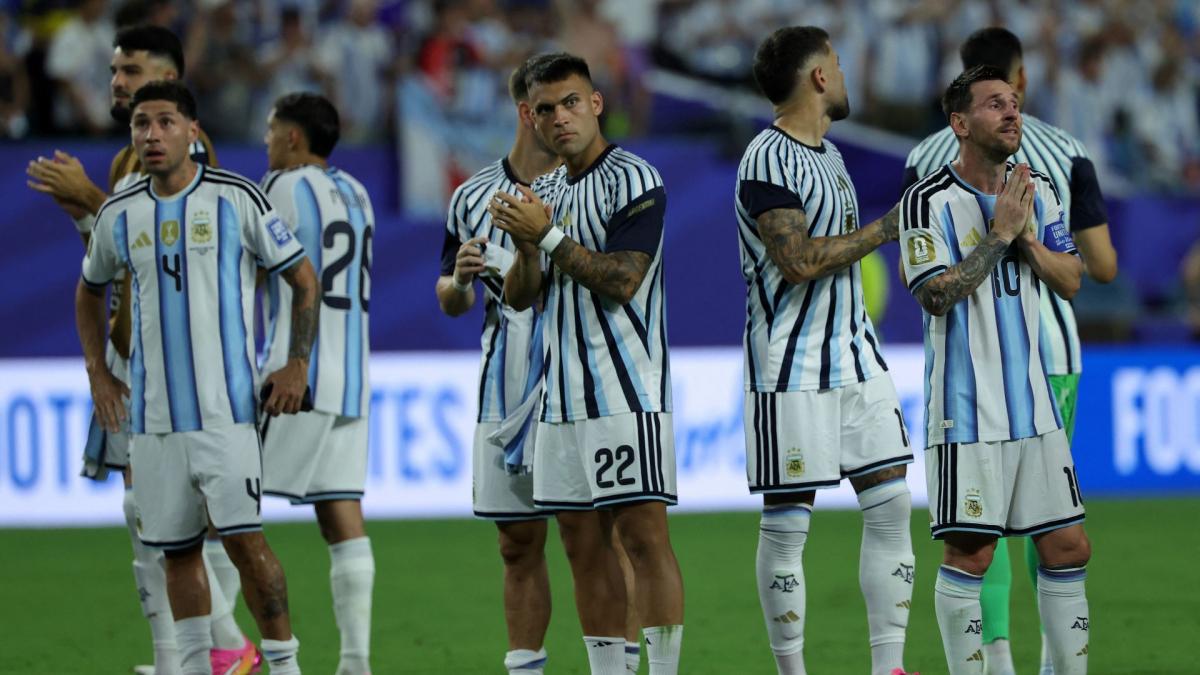
During the 2026 World Cup quarter-final, Argentina paid homage to their footballing hero, Antonio Rattin, by wearing a black armband. This gesture came in light of Rattin’s passing at the age of 89 and was acknowledged during Argentina’s match against Switzerland, which they won 3-1 after extra time. The tribute sparked discussions and comparisons, particularly highlighting FIFA’s inconsistent stance regarding such expressions of mourning.
## FIFA Regulations: A Closer Look
The key distinction in Argentina’s ability to wear the armband compared to France’s denied request lies in FIFA’s specific regulations regarding commemorative gestures. FIFA has established that black armbands can only be worn in memory of individuals notably linked to soccer. Antonio Rattin certainly fits this description; regarded as one of the legends of Boca Juniors and a former captain of the Argentine national team, Rattin’s legacy is deeply embedded in football history.
### Rattin’s Legacy
Rattin’s influence extends beyond his on-field performances. A controversial expulsion during the 1966 World Cup against England is often cited as a pivotal match in the annals of football. His dismissal triggered the introduction of yellow and red cards, marking a significant change in football regulations. Given these contributions, his importance is recognized by the football community, thus justifying the request by the Argentine team to wear the armband.
## France’s Request: A Matter of Family Bereavement
Conversely, France’s request to wear armbands in memory of Didier Deschamps’ mother was denied by FIFA. This decision underscores that the regulations concerning mourning gestures are not solely about personal loss but are tied to the realm of football. Under FIFA’s current criteria, family-related bereavements do not authorize teams to wear black armbands, a decision that some have scrutinized.
### The Impact of FIFA’s Guidelines
The stark difference in the treatment of Argentina’s and France’s requests illustrates the stringent regulations FIFA imposes. While both situations involve a profound sense of loss, FIFA’s criteria prioritize individual contributions to football. This policy raises questions about the regulations’ flexibility. Should FIFA reconsider its rules to incorporate family tributes in the future?
## Conclusion: A Divided Response
The contrasting outcomes of Argentina’s and France’s requests reveal the complexity of FIFA’s regulations and the emotional weight that football carries in different cultures. While Argentina’s tribute to Rattin is celebrated as a nod to football heritage, the denial of France’s heartfelt homage reflects the boundaries set by governing bodies. As we move forward in the world of football, these discussions about memorial gestures may lead to a reassessment of policies, allowing a broader scope for recognition of those who made a difference on and off the field.
Ultimately, the ability of teams to express their sorrows should not only honor personal losses but also pay tribute to those who shaped the beautiful game we all cherish.