
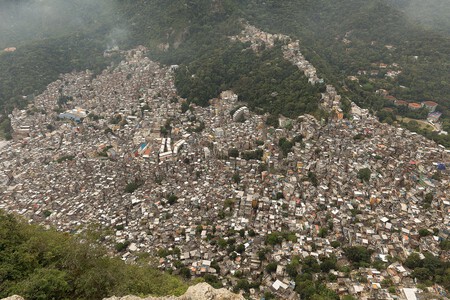
Exploring the New Tourist Haven: Favelas of Rio de Janeiro
When imagining Rio de Janeiro, many visualize iconic landmarks like Christ the Redeemer atop Corcovado Hill. Recently, however, favelas like Vidigal and Rocinha have emerged as surprisingly popular destinations for tourists seeking authentic experiences. Increasingly, visitors from around the world are incorporating these vibrant communities into their travel itineraries, showcasing a shift in how Rio is perceived and experienced.
The Allure of Authenticity
Tourists flock to the favelas in search of an authentic slice of Brazilian life, a stark contrast to the well-trodden paths of beaches and landmarks. In these communities, visitors find local culture, colorful street art, and the chance to interact with residents who offer unique stories and perspectives. The quest for genuine experiences drives this trend, leading many to capture their adventures with social media-worthy selfies and videos.
Historical Context of Favelas
The favelas of Rio have a long, complex history, dating back to the late 19th century. Originally settled by the marginalized, these areas have often been associated with poverty and crime. Yet, as interest in these neighborhoods has grown, so too has their reputation as sites of cultural richness. Today, many tour companies offer guided experiences that aim to showcase the resilience and vibrancy of favela life.
Increasing Tourist Traffic
Recent statistics reveal the growing popularity of favela tourism. According to the Carioca Tourism Yearbook 2024, Vidigal and Rocinha ranked among the top 20 most visited spots in Rio, even surpassing traditional highlights like the Selarón Staircase. With 81,600 and 45,600 international visitors respectively, these favelas now command a noteworthy presence in the tourist landscape.
A Boost for Local Economies
As the demand for favela tours rises, local economies are seeing tangible benefits. Tour guides, many of whom have lived through the challenges of life in these neighborhoods, translate their experiences into a sustainable livelihood. Vitor, a former taxi driver turned tour guide, exemplifies this shift. After observing an influx of tourists, he adapted to the new economy and now relies on it as his primary source of income. His story illustrates how tourist engagement can create new opportunities amidst past struggles.
Safety Concerns
Despite the benefits of increased tourism, safety remains a prominent concern. Recently, police operations have led to dangerous situations, trapping tourists in the crossfire. This raises important ethical questions about the commercialization of communities that still grapple with issues of violence and inequality. While some argue that tourism can foster a lower crime rate by bringing money into neighborhoods, others warn of the potential to exploit social conditions for profit.
Conclusion: A Double-Edged Sword
The emergence of favela tourism in Rio de Janeiro encapsulates a broader trend toward seeking authentic experiences while traveling. Visitors often claim that the true essence of Rio is found in its favelas. However, the dual realities of economic opportunity and community safety illustrate the complex dynamics at play. As this tourism model continues to evolve, it remains crucial to balance the economic benefits for residents with the need for ethical and responsible tourism practices.