
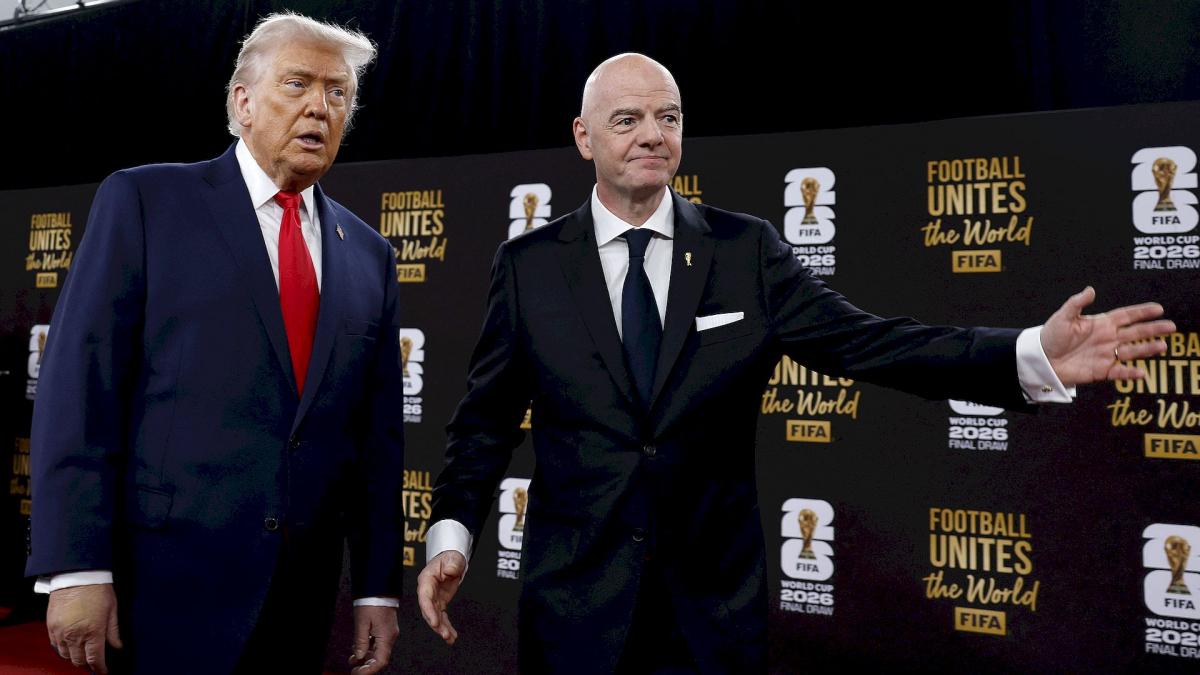
The 2026 World Cup: A Catalyst for MLS Growth
As the 2026 World Cup approaches its climax in North America, the competition is generating impactful shifts in Major League Soccer (MLS). This monumental event, spanning the United States, Canada, and Mexico, is transforming the landscape of soccer in North America.
Economic Impact and Investment Boom
The economic implications of the 2026 World Cup cannot be overstated. With estimates suggesting a boost of approximately $17.2 billion to the U.S. GDP and the creation of around 185,000 jobs, the tournament is more than just a sporting event. It serves as a powerful stimulant for investment in MLS. Teams are modernizing infrastructures, building new stadiums, and enhancing their overall appeal to fans and investors alike.
Moreover, this wave of interest is facilitating a shift in public perception. Once considered an afterthought in American sports, soccer is now stepping into the limelight, thanks in part to the World Cup’s extensive global reach.
The Transfer Market Transformation
The World Cup has further prompted a transformation within the MLS transfer market. Traditionally seen as a retirement destination for aging European stars, MLS is now positioning itself as a competitive league attracting top-tier talent. The arrival of players like Antoine Griezmann and Robert Lewandowski showcases this shift. The influence of Lionel Messi, since joining Inter Miami in 2023, has also played a critical role in changing this narrative.
Big-name transfers are no longer just rumors; they reflect a growing trend that includes top players like Casemiro, Mohamed Salah, and Leon Goretzka as potential additions to the league. The excitement surrounding these transfers illustrates the league’s newfound ambition and its strategic foresight in capitalizing on the World Cup’s influence.
A Multi-Faceted Approach to Growth
MLS Commissioner Don Garber is optimistic yet pragmatic about the league’s trajectory. He emphasizes that the World Cup acts as an accelerator rather than a one-time catalyst for growth. According to Garber, even without the World Cup, MLS was on an upward path. Key initiatives such as investments in training facilities and new franchises have laid a robust foundation for sustainable growth.
However, challenges remain. Despite improvements, MLS must still compete with established American leagues like the NFL, NBA, and MLB, particularly regarding television revenue and audience engagement. The World Cup provides an opportunity to bridge this gap by introducing millions of viewers to the league.
Building a Lasting Football Culture
Looking beyond the tournament, the legacy of the 2026 World Cup aims to cultivate a lasting football culture in the U.S. MLS is actively investing in marketing strategies to attract new fans while fostering local talent through academies and training programs. Garber’s focus on long-term objectives underscores the need for ongoing development and investment in soccer.
Upcoming calendar reforms are also poised to align MLS more closely with international standards, enhancing its marketability. These changes could open doors for better player acquisitions and create a vibrant soccer ecosystem that thrives in the years following the World Cup.
Conclusion: A New Dimension for MLS
While the 2026 World Cup may not instantly reshape the hierarchy of American sports, it presents a pivotal opportunity for MLS to elevate its profile. The effects of enhanced visibility, increased investment, and strategic player acquisitions could collectively propel the league into a new dimension. As millions tune in to the excitement of the World Cup, the challenge will be to maintain that momentum and convert short-term interest into lifelong support for soccer in North America.