
A Tragic Wake-Up Call: The Need for Heat Stroke Prevention
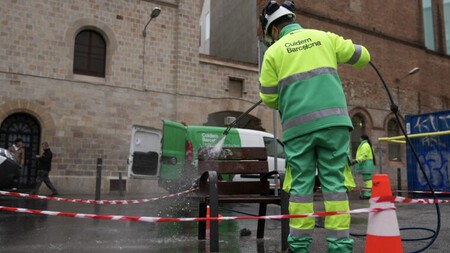
Just over a year ago, tragedy struck in Barcelona when cleaning worker Montserrat Aguilar collapsed and died after a long day under the scorching sun, with temperatures exceeding 35ºC. This incident ignited a fervent debate regarding the working conditions of outdoor employees during extreme heat waves.
Technological Solutions: Thermal Bracelets
In response to such tragedies, the Barcelona City Council has implemented a technological remedy that has gained popularity in Japan: thermal bracelets. These devices are designed to anticipate and notify users of impending heat strokes. Earlier this year, the city distributed 1,400 of these advanced bracelets to outdoor workers responsible for city maintenance and public services.
The Working Mechanism of Thermal Bracelets
These bracelets are fitted onto the wrist and monitor the wearer’s body temperature. If the temperature rises to a critical level, the device vibrates and illuminates to alert the user, prompting them to find shade, hydrate, and report their condition to a supervisor. A green light signals it’s safe to resume work.
Expanding Safety Measures Beyond Technology
While thermal bracelets are a step in the right direction, they are not the sole measure for safeguarding workers. The city has also altered work schedules for outdoor employees to avoid peak temperature hours, alongside implementing special summer protocols. However, labor unions highlight that no single measure is adequate, advocating for more robust solutions, such as air conditioning in work vehicles.
Global Solutions: Japan’s Approach
Japan has long been proactive in combating heat-related health crises. A Japanese company, Biodata Bank, developed wearable technology to monitor heat stress and inform users when to rest or hydrate. Their advanced sensors trigger alerts at specified temperature thresholds, providing a personal safety net against heat stroke.
The Importance of Ongoing Education and Awareness
Education about the dangers of heat exposure remains crucial. Japan has equipped various demographics, from elderly individuals to outdoor workers and schoolchildren, with similar thermal bracelets. Such preventive measures are paramount as extreme heat becomes increasingly common across the globe.
Conclusion: A Multifaceted Approach to Heat Stroke Prevention
While technologies like thermal bracelets are promising, a multifaceted approach that includes education, protocol adjustments, and worker representation is essential for truly safeguarding the health of those who labor outdoors in extreme temperatures. Climate adaptations are necessary, and investing in employees’ safety is an investment in a healthier, more sustainable tomorrow.