
Everything We Know About “Lycanthrope”
A New Vision from Robert Eggers
Director Robert Eggers has established himself as a visionary in the realm of horror and fantasy. Following his acclaimed work on The Witch (2015) and the recent adaptation of Nosferatu, Eggers is ready to delve into the werewolf myth with his upcoming film, Werwulf, which will be released as Lycanthrope in some regions on December 25.
Setting the Scene
The story is set in 13th century England, where a mysterious creature emerges, turning local legends into terrifying realities. The film promises a return to gothic horror, immersing the audience in a fog-laden rural area where fear reigns supreme.
The Cast
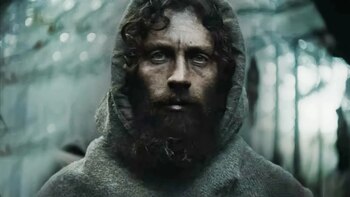
Eggers reunites with Aaron Taylor-Johnson, Lily-Rose Depp, and Willem Dafoe, all of whom he previously worked with in Nosferatu. Taylor-Johnson takes on the role of the titular creature, showcasing a physical transformation that strikes terror into the hearts of local inhabitants. The trailer hints at a dramatic ritual that transforms a child into a beast, encapsulated in the haunting phrase: “Don’t be afraid of the darkness. Embrace it.”
The Creative Team Behind the Film
Joining the cast is Ralph Ineson, a familiar face in Eggers’ repertoire, alongside Jack Morris, Jan Bijvoet, Ritchi Edwards, and Bodhi Rae Breathnach. The film is produced by Focus Features in collaboration with Eggers and writer Sjón, who previously co-wrote The Northman.
Lily-Rose Depp portrays the protagonist’s wife, who seeks to break the curse that her husband grapples with. Dafoe, meanwhile, takes on the role of the character most knowledgeable about the beast’s nature.
Revitalizing the Werewolf Myth
Eggers employs a unique approach to the werewolf myth, seeking to “reboot” established tropes. In an interview with Esquire, he explained that setting the film in the past allows for a fresh take: “You can hit a reset button,” he said. This means clichés, such as being bitten by a werewolf or the presence of silver bullets, are absent, grounding this version of the myth in its folkloric roots rather than tropes established by earlier films.
The Historical Context
Eggers’ research tied the film’s narrative to the historical disappearance of wolves in England, which was largely driven by the needs of the wool trade. He noted, “After they were gone, there was no more legend of werewolves in England.” This context adds depth to the story, elevating it beyond mere horror.
Conclusion
As anticipation builds for Lycanthrope, Robert Eggers continues to solidify his status as a maestro of gothic horror. With a stellar cast and a fresh perspective on ancient myths, the film is poised to explore the depths of human darkness intertwined with folklore. Audiences are in for a chilling experience this holiday season.