
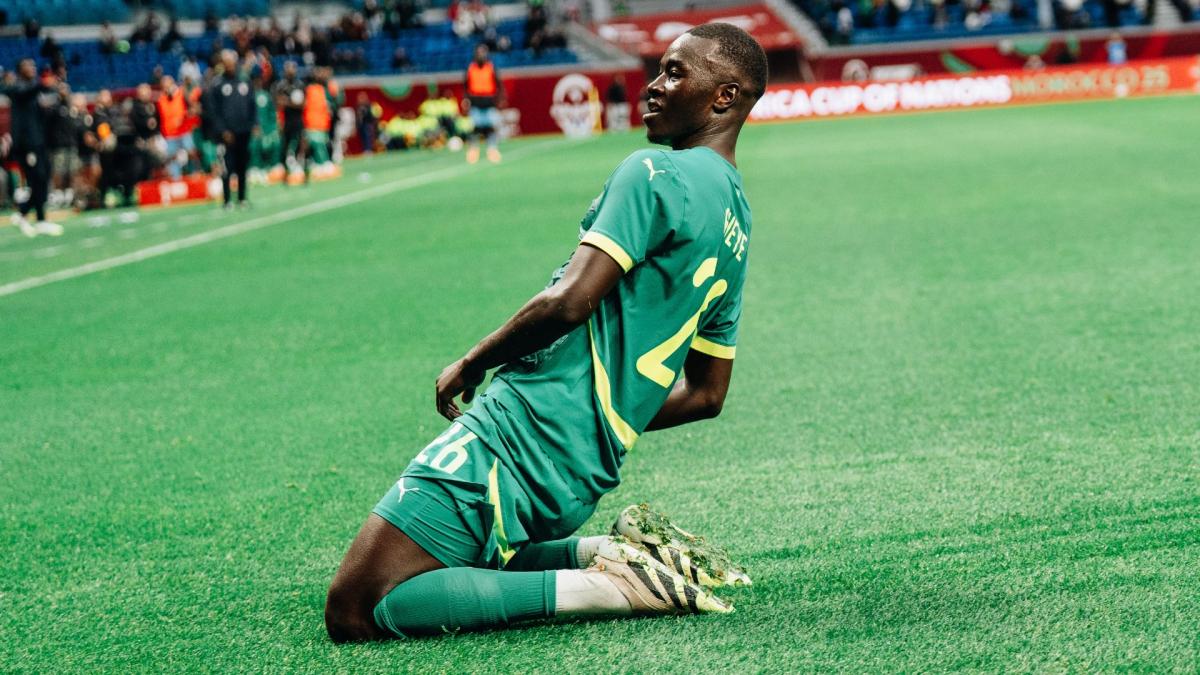
Senegal’s World Cup Elimination and Aftermath
The elimination of Senegal against Belgium in the round of 16 of the World Cup has sparked significant turmoil within the national team’s camp. This defeat, coupled with several internal dysfunctions during the tournament, has exacerbated tensions among players and management. In this climate of unrest, midfielder Pape Guèye’s recent statements have drawn considerable attention, prompting the Senegalese Football Federation (FSF) to consider sanctioning him.
Pape Guèye’s Controversial Withdrawal
Pape Guèye’s public announcement regarding his withdrawal from the national team under the current coaching staff has sent shockwaves throughout Senegalese football. As a player for Villarreal, Guèye’s impact on the field is undeniable, but his words have raised questions about the unity and morale of the Lions of Teranga. His proclamations have been seen as an act of defiance, potentially undermining the team’s unity at a critical moment.
FSF’s Response to Guèye’s Claims
According to reports from Sport News Africa, the FSF views Guèye’s statements as a direct challenge to the authority of the coaching staff and the cohesiveness of the squad. Given the already fragile atmosphere within the team following their World Cup exit, the federation is considering disciplinary action against the player. The potential sanctions reflect a need to restore order and stability within the ranks.
Accusations of Disrespect
Beyond his controversial remarks, Guèye is also facing accusations of disrespect towards teammates and FSF officials throughout the tournament. Specific claims suggest multiple instances where he displayed a lack of respect towards key figures, including FSF General Secretary Abdoulaye Seydou Sow and Marketing Manager Bamba Ba. Such behavior not only escalates concerns about Guèye’s commitment to the team but also emphasizes the need for a thorough examination of player conduct.
The Broader Implications for Senegalese Football
The situation surrounding Pape Guèye highlights deeper issues within the Senegalese football structure. With the Lions of Teranga already struggling on the global stage, internal strife threatens to hinder future progress. The FSF’s response will be critical; how they handle this situation could set a precedent for player conduct and team dynamics going forward.
Conclusion
As the dust settles after a disappointing World Cup campaign, the Senegalese national team’s ability to navigate this turmoil will be paramount. Pape Guèye’s actions and their subsequent fallout present an opportunity for the FSF to assert authority while striving for a cooperative environment. The future of Senegalese football relies on fostering unity, respect, and a shared vision among its players and management. The coming weeks will reveal whether the federation’s response can mend the rift and build a stronger foundation for the future.