
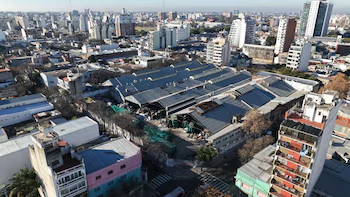
Overview of the New Plaza in San Cristóbal
The City of Buenos Aires is set to unveil a modern plaza in one of its neighborhoods that currently has limited green spaces. This exciting project is situated in San Cristóbal, an area previously home to a tram and trolleybus station that has been closed for many years.
Project Details
As reported by the City Government, the new green space will cover approximately 11,470 square meters and is expected to serve over 20,000 residents upon completion. The project timeline estimates around 14 months for construction, with completion anticipated in the second half of 2027.
Location and Historic Significance
The plaza will occupy the area defined by Matheu, Alberti, and Constitución Streets, along with Pavón Avenue. A key feature of the development is the preservation and enhancement of the historic brick façade found on Alberti Street, which will be seamlessly integrated into the new public space, adding to its charm and character.
Facilities and Greenery
The planned plaza will include various attractions such as:
- Playgrounds with rubberized flooring
- A sports court
- A calisthenics area for aerobic exercises
- A semi-covered cultural space for artistic activities and sculpture exhibitions
Additionally, the design incorporates the reuse of existing metal structures as pergolas, creating shaded areas ideal for outdoor relaxation, particularly during warmer months. The landscape will feature approximately 70 new trees, shrubs, and various herbaceous species, with vines climbing the pergolas to enhance shade and aesthetics.
Government Commitment to Green Spaces
Ignacio Baistrocchi, Minister of Public Space, emphasized the city’s ongoing commitment to increasing green spaces for its residents. He noted, “This new plaza in San Cristóbal is part of a sustained policy to ensure that neighborhoods have more accessible, safe, and well-lit green spaces with recreational facilities for all ages.” The administration plans further developments across other neighborhoods in the near future to bolster urban greenery.
A Look Back at the Historic Site
The site earmarked for the new plaza has a storied past; the Metropolitan tram station, founded in 1904 and originally known as Constitución Station, served as a central hub within the city’s transportation network. The terminal facilitated connections between several vital city points, including Constitución, Plaza Alvear, and Plaza Colón.
After the tram service halted in the early 1950s, trolleybuses took over until their cessation in 1966. The property then transitioned through various uses, including a storage facility for television equipment until 2014. Currently, it houses administrative offices and storage for retired railway equipment.
Conclusion
The development of the new plaza in San Cristóbal not only enhances the neighborhood’s green space but also honors the site’s historic significance. As the project progresses, it promises to foster a vibrant community atmosphere, providing essential recreational and cultural facilities for the residents of Buenos Aires.