
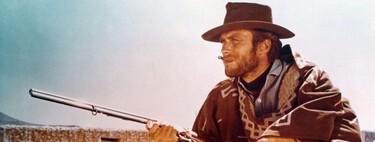
Clint Eastwood’s “Million Dollar Baby”: A Film No One Wanted But Everyone Loves
Early Doubts and Initial Rejections
Alan Horn, the retired president of Warner Bros., initially read the script for “Million Dollar Baby” without any actors attached. Upon receiving the script from Clint Eastwood, he had doubts, responding quickly with a firm “no, I’m sorry.” Horn’s apprehension stemmed from his belief that the audience would not be interested in a film about a woman boxing. However, this was a misjudgment that would soon be rectified.
The Impact of “Girlfight”
Four years prior, the film “Girlfight” had already paved the way for female protagonists in boxing. Directed by Karyn Kusama and starring Michelle Rodríguez, it achieved critical acclaim and showcased the potential of women in the boxing genre. Despite this precedent, Horn’s concerns reflected a broader hesitance in Hollywood regarding female-led stories, highlighting the uphill battle Eastwood faced in bringing his vision to life.
Securing Funding Against the Odds
Undeterred by Horn’s dismissal, Eastwood sought funding elsewhere. He eventually found support from Lakeshore Entertainment, which agreed to finance half of the estimated $25 million budget. However, even with backing in place, challenges remained, as Horn continued to push for changes that threatened the film’s integrity.
The Heart of “Million Dollar Baby”
At its core, “Million Dollar Baby” is a poignant story about a seasoned boxing trainer, Frankie (Eastwood), who reluctantly agrees to train a young waitress, Maggie (Hilary Swank). Despite his initial resistance, Frankie’s mentorship leads Maggie to astonishing success in the ring. The film explores themes of redemption, perseverance, and the bonds formed through struggle.
Creative Conflicts and Artistic Integrity
Horn proposed multiple alterations to soften the film’s dramatic elements, particularly in its third act. Yet, Eastwood remained steadfast, believing that these challenging moments were integral to the film’s emotional impact. His refusal to compromise proved visionary, highlighting the often fraught relationship between studio executives and filmmakers.
A Resounding Success
Released on December 15, 2004, “Million Dollar Baby” transcended initial skepticism to secure seven Oscar nominations, winning four, including Best Picture, Best Director, and acting awards for Hilary Swank and Morgan Freeman. The box office success and critical acclaim placed it among cinematic greats, even overshadowing other favorites at the ceremony.
Controversy and Cultural Reflections
Despite its accolades, the film stirred significant controversy—most unexpectedly regarding its treatment of euthanasia. Organizations for people with disabilities criticized its portrayal of life after a spinal cord injury, labeling the film as melodramatic. Ironically, Eastwood faced accusations of both dramatizing disability and promoting euthanasia, showcasing the film’s polarizing effects on audiences.
Conclusion: No Regrets from Eastwood
As Eastwood reflects on the tumultuous journey of bringing “Million Dollar Baby” to fruition, he expresses no regrets. The film’s 4.9 out of 5 rating speaks volumes about its enduring impact, reminding us that insightful storytelling often emerges from resilience against the odds. Clinton Eastwood’s bold vision not only redefined the boxing genre but also paved the way for future female protagonists in cinema.