
The Tarim Basin: An Ancient Forest in a Modern Desert
The Tarim Basin in northwest China is known for its extreme aridity, receiving as little as 20 millimeters of rain per year. With its stark dunes and barren rocks, it is hard to imagine that around 4,000 years ago, this area thrived with rivers, wetlands, and lush poplar forests. Recent research has brought to light evidence of this ancient landscape, primarily derived from the fossilized excrement of Bronze Age animals and remnants of charcoal from fires.
The Discovery of Coprolites and Charcoal
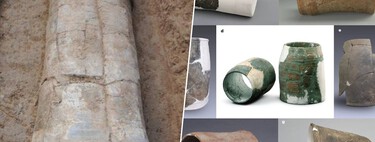
The key to understanding the ecological past of the Tarim Basin lies in the analysis of coprolites, or fossilized feces, from animals associated with the Xiaohe culture. This research team utilized these coprolites in conjunction with charcoal samples to deduce two crucial aspects: the types of trees used for fuel and the dietary habits of the ancient livestock. These findings indicate the presence of various plants and trees in what is now a deserted region.
Importance of Findings
The investigation reveals that the communities of the Bronze Age likely practiced a sedentary lifestyle that included livestock farming, relying on the rich resources of their wetland habitat. The availability of fish, aquatic plants, and grasses means these ancient inhabitants did not have to depend on agriculture to sustain themselves.
Environmental Insights into Climate Change
This study also provides vital information about the historical climate of the Tarim Basin. Characterized as having been extremely dry since the Pliocene, the region did experience oscillations between humid and arid conditions during the Holocene. Understanding these climatic variations is crucial for predicting future climatic changes in Central Asia.
The Xiaohe Culture: A Window into the Past
The Xiaohe culture thrived in the Tarim Basin between 2050 and 1350 BC, known primarily from well-preserved mummies discovered in the desert. While much has been learned about their burial practices, less was known about their economic activities and relationship with the environment until now.
Analysis of Wood Types and Landscape Zones
The study detailed that 54% of the identified charcoals came from poplars and willows, while 18% were from tamarisks, indicating a landscape rich in riverbank forests. These fast-growing species suggest sustainable exploitation of wood resources over centuries, stratifying the landscape into distinct zones: riverine forests, riverside shrubs, and open desert.
Identifying Ancient Flora and Fauna
Analysis of the feces revealed an abundance of pollen grains, particularly from cattails—an essential aquatic plant historically valued for food, fiber, and construction materials. In sheep coprolites, the pollen count reached an astonishing 99%, indicating these animals primarily ingested pollen-laden water or air during flowering seasons.
Challenges in the Findings
Nevertheless, challenges arise in interpreting the data. Identifying the specific animals from which coprolites originated remains uncertain; not distinguishing between sheep, goats, or camels can impact the viability of the findings. Additionally, the overwhelming presence of cattail pollen may conceal the actual biodiversity of the ancient landscape, leading to questions about whether the Xiaohe people engaged in agricultural practices from the outset.
In conclusion, this groundbreaking research enriches our understanding of the Tarim Basin’s transformation from a verdant landscape to its current desert form, shedding light on the environmental and climatic shifts that have occurred over millennia.
For further insights into ancient civilizations and climate changes shaped by human activity, follow ongoing studies in archaeology and environmental science.