
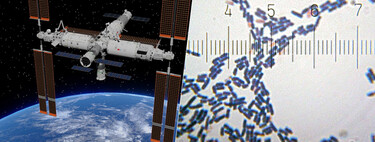
The Survival and Evolution of Bacteria on Mars
As we venture deeper into space exploration, understanding the implications of human microbiomes on Mars becomes increasingly vital. Quarantine protocols are standard procedures for astronauts to prevent the introduction of pathogenic microorganisms into extraterrestrial environments. However, as we prepare for lunar and Martian colonization, these precautions may be insufficient.
Pathogenic Bacteria: A Case Study
Recent research by astrobiologist Tommaso Zaccaria from Radboud University delves into how four non-extremophilic pathogenic bacteria—Klebsiella pneumoniae, Serratia marcescens, Burkholderia cepacia, and Pseudomonas aeruginosa—respond to Martian conditions. These bacteria, typically not known for their resilience to extreme environments, were subjected to simulations of Mars’ harsh conditions, including low pressure, high ultraviolet radiation, and significant levels of perchlorates.
Martian Superbacteria: The Adaptation Process
Zaccaria’s findings revealed that Klebsiella pneumoniae and Serratia marcescens exhibited remarkable survival abilities. When exposed to human immune cells, these bacteria demonstrated an alarming ability to evade immune responses. Specifically, immune cells lost their capacity to produce cytokines and other critical inflammatory elements, making Martianized bacteria elusive foes for our immune systems.
Factors for Resistance
The regolith, the loose materials covering Mars’ surface, plays a crucial role in enabling bacterial survival. Zaccaria theorizes that its intricate structure provides pockets for water, aiding bacteria in managing desiccation and offering protection from harmful radiation. This suggests that not only do bacteria find ways to endure Martian conditions, but they may also evolve to resist human immune systems, effectively transforming into “superbacteria.”
The Impact of Regolith on Human Health
The study highlights that the Martian regolith poses additional threats to human health. When tested on live mice and human epithelial cells, it shown that regolith causes significant damage to airway epithelial cells and incites inflammatory responses. With bacteria like Klebsiella pneumoniae, known to cause pneumonia, surviving Martian exposure, the implications for future colonizers are dire.
Eukaryotic Microorganisms: Yeasts in Martian Conditions
Interestingly, Zaccaria’s research extends to eukaryotic microorganisms, particularly yeasts. One such yeast, Rhodotorula frigidalcoholis, exhibited an impressive capacity to halt its cell cycle and repair DNA under Martian conditions. This discovery could pave the way for effective protective measures for human cells, which are similarly eukaryotic.
The Road Ahead: Future Research Directions
Zaccaria intends to further investigate bacterial defense mechanisms, including biofilm formation and pigment synthesis. Additionally, he aims to study how beneficial bacteria, particularly those within our intestinal microbiota, are affected by Martian conditions. This research is crucial for forming an action plan that goes beyond quarantine limitations, ensuring human health and safety as we colonize distant worlds.
Conclusion: The Resilience of Life
What doesn’t kill you may make you stronger—this adage is particularly true in the context of life forms on Mars. As researchers like Zaccaria explore the adaptability of bacteria under extreme extraterrestrial conditions, it becomes clear that the challenges we face as we reach for the stars are matched only by our need to understand the very organisms we might encounter. Our preparations for interplanetary life must consider not only our travel but also the potential threats lurking among the microorganisms we may inadvertently introduce.