
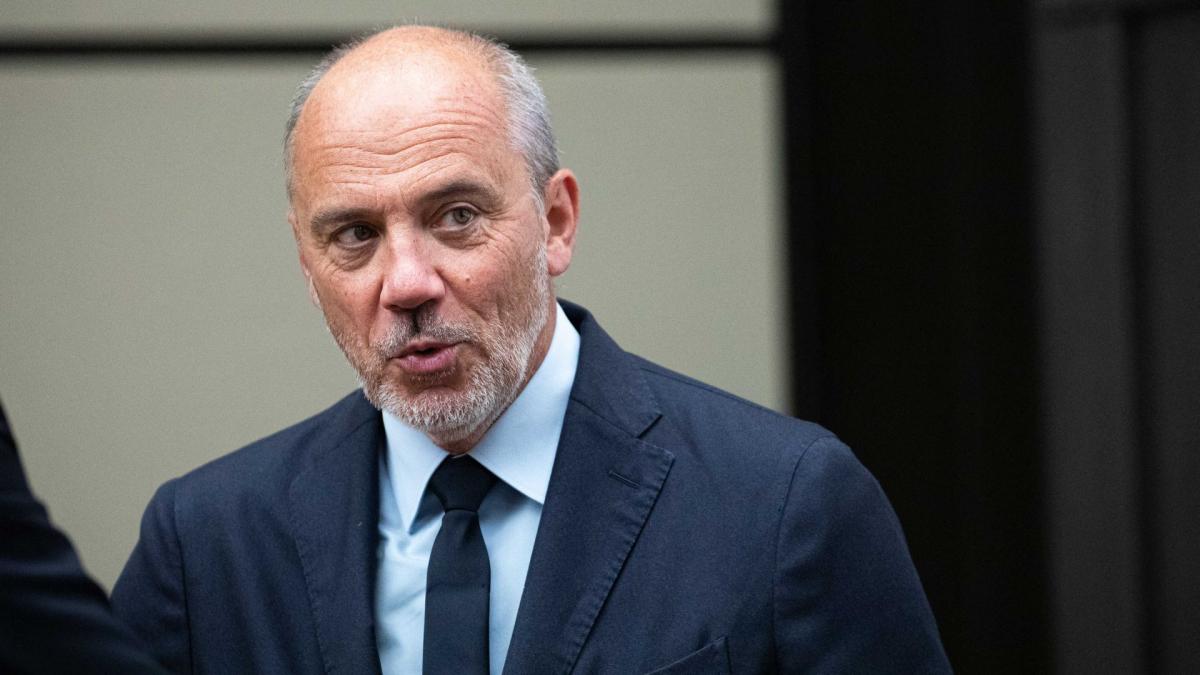
Stéphane Richard Addresses OM’s Financial Challenges
In a recent interview with Provence, Stéphane Richard, the new president of Olympique de Marseille (OM), tackled the pressing financial challenges facing the club. Following sanctions imposed by UEFA and the French financial watchdog DNCG, Richard emphasized the need for a fresh start in management, pointing to the significant issues inherited from prior leadership.
Acknowledgment of Previous Management Failures
Richard was candid about the shortcomings of OM’s previous management model. He stated, “These decisions, which confirmed what we already knew, are not pleasant, especially since I am not accountable for a situation that I inherit.” This acknowledgment highlights a crucial aspect of his leadership philosophy—taking responsibility for future actions while recognizing past failures. He stressed the importance of moving forward with a clear budgetary framework for the upcoming seasons, aiming to restore stability amidst financial chaos.
Issues with Previous Spending Strategies
One of the key points Richard raised was the flawed spending strategy of past administrations. He noted a trend during the 25-26 season, where high-priced player acquisitions were frequent but lacked strategic longevity. “Buying players at high prices, not keeping them for long, and making purchases at the very end of the transfer window,” he explained, painted a troubling picture of OM’s financial habits. This constant churn of players not only reflects a lack of coherent strategy but also contributed significantly to the club’s current financial imbalance.
The Impact of External Factors
Richard pointed out that not all issues could be blamed solely on management failures. Events beyond their control, like the dramatic last-second goal by a Benfica goalkeeper, had substantial financial repercussions for OM. Such moments can completely alter a club’s trajectory, further complicating financial planning. However, Richard remains resolute about addressing the “very significant accounting hole” the club is facing. He indicated that financial illiteracy and poor strategic decision-making must be addressed to prevent future crises.
A Path Forward: Lessons Learned
Richard emphasizes that the club must learn from the mistakes of the past. “There have clearly been errors made when a budgetary statement is presented in January 2026 on target and, three months later, the landing is made with a considerably increased deficit,” he said. This highlights the necessity for rigorous financial oversight and planning. The goal now is to establish a sustainable model that prioritizes fiscal responsibility while building a competitive team.
Conclusion: Building a Legacy of Stability
As Richard embarks on his tenure, his focus is on transforming OM’s fortunes. His strategy involves creating a stable foundation that reflects not just a change in personnel but a fundamental shift in how the club approaches financial management. With a commitment to learning from past mistakes and implementing a more sustainable model, Richard aims to not only stabilize the current financial situation but set Olympique de Marseille on a path to long-term success. The journey toward reform is fraught with challenges, but Richard’s resolve marks the beginning of a much-needed transformation for the club.