
The Symbol of Freedom: Enzo Ferrari’s Automotive Legacy
“The upper classes dedicate their leisure time to sports or activities that often involve bizarre risks… one of the ways to challenge time is speed. In turn, speed… is synonymous with status.”
— Raquel Peláez
Early Life of Enzo Ferrari
Born in 1898 in Modena, Italy, Enzo Ferrari entered the world at a time ripe for change. A decade after his birth, the Futurist Manifesto signaled the dawn of the modern age, embracing speed and technical innovation. At just ten years old, Enzo witnessed his first car race, igniting a passion that would define his life and career.
By the time World War I swept through Europe, Enzo had experienced profound personal loss with the passing of both his father and brother. These events, coupled with his service, would shape the resilience and drive he demonstrated throughout his life.
From Mechanic to Racer
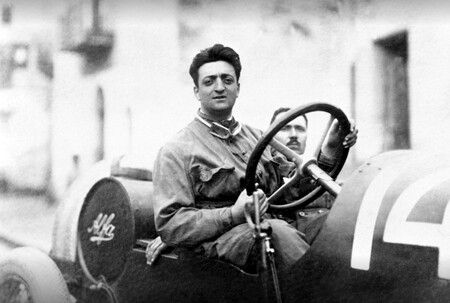
After the war, Enzo sought to join Fiat but faced rejection. Instead, he embarked on a different path as a mechanic. With savings from his job, he acquired an Alfa Romeo—a decision that set him on course for his dream of competitive racing. His role at CMN (Costruzioni Meccaniche Nazionali) soon transitioned from mechanic to driver, ultimately landing him a coveted position at Alfa Romeo.
From the late 1920s to the 1930s, Enzo Ferrari thrived as a racer. However, the birth of his son, Dino, shifted his focus from driving to managing Alfa Romeo’s competition department, laying the groundwork for what would become his own brand.
A Running Escape
The years of the 1920s were filled with momentous change. The advent of races such as the 24 Hours of Le Mans and the Mille Miglia aroused the wealthy’s appetite for speed. It was during this era that the culture of speed became synonymous with social status; owning a fast car became not just about mobility but demonstrating wealth and leisure.
Fascist ideologies incorporated this pursuit of technical perfection, heightening the race for speed—even on roads like the first Autobahns in Germany, where extravagant speed records were chased.
The Birth of Ferrari
In 1947, Enzo Ferrari’s vision finally became a reality when he launched the Ferrari 125 S, marking the beginning of his revolutionary car brand. He famously stated, “I have chosen automobiles as a symbol of extreme freedom for man.” This phrase encapsulates the essence of Ferrari—a brand that straddled the line between aristocratic status and rebellious speed.
Risk, Speed, and Tragedy
The thrill of speed was alluring but not without peril. The tragic death of legendary racer Alfonso de Portago, during a race in 1957, highlighted the risks associated with high-speed racing. His accident ultimately led to the cessation of the Mille Miglia, an event that had become notorious for its inherent dangers.
Despite facing accusations of reckless homicide, such incidents only hardened Enzo’s resolve, contributing to his reputation as a competitive and demanding leader who sought excellence in his drivers.
The Legacy of Freedom
Enzo Ferrari understood the intersection of competition and luxury automobiles, realizing that his success depended on appealing to the wealthy elite. He mastered the art of creating a sense of exclusivity, always offering just a little less than what the market desired. This insatiable demand led to a cultural phenomenon where speed was equated with freedom—a notion engrained in the identity of Ferrari.
In the realm of automotive history, Enzo Ferrari remains not just a pioneer but a symbol of how speed represents not just mechanical prowess, but a pursuit of liberty and status for mankind. His legacy lives on, forever capturing the essence of living boldly at the limits of imagination and engineering.