
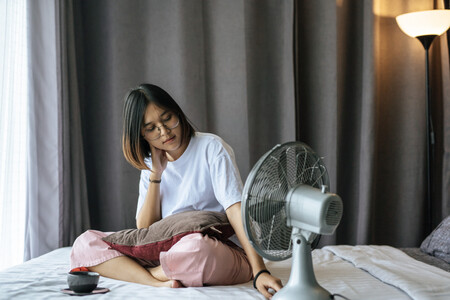
It’s often said that any time in the past was better, a sentiment rooted in our propensity to romanticize. Yet, the reality today is stark: hot nights have become an undeniable part of our lives. Reflecting on summers gone by, we recall tropical nights—those rare occasions when temperatures fail to dip below 20ºC. In Spain, these were once anomalies, but now they’ve transformed into a relentless norm, forcing many to cling desperately to their fans. Thankfully, we’ve also encountered two other sweltering varieties of nighttime: equatorial and infernal nights.
The latter truly lives up to its name. Global warming has ushered in a wave of oppressive heat that complicates our nightly repose. This increase in temperature doesn’t merely disturb our sleep; it can have dire implications for our daytime performance and long-term health. Hence, exploring methods to sleep through these warm nights becomes essential. But first, understanding what distinguishes each type of hot night is crucial.
Temperature Breakdown: Tropical, Equatorial, and Infernal Nights
As we assess hot nights, three primary categories emerge:
- Tropical Nights: These nights, previously somewhat familiar but now alarmingly frequent, occur when temperatures remain above 20ºC.
- Equatorial (or Torrid) Nights: In this scenario, temperatures never drop below 25ºC—a seemingly slight rise, but one that significantly affects comfort levels. Contributing factors include warm sea temperatures and the urban heat island effect.
- Infernal Nights: True to their name, these nights are marked by temperatures exceeding 30ºC, making restful sleep a near impossibility and presenting dangers even greater than those faced during the day.
Why Sleeping in the Heat is Physically Challenging
Our sleep patterns operate under the influence of circadian cycles, which regulate many physiological processes over a 24-hour period. As darkness falls, our brains release melatonin, signaling sleep time. However, this hormonal release alone does not induce sleep. To truly transition to rest, our body temperature must decrease, a process disrupted by high ambient temperatures.
This temperature imbalance is particularly detrimental to the most vulnerable stage of sleep, REM, which is essential for restorative rest.
The Effects of Excess Heat on Sleep
The brain identifies nightfall through various cues, most notably light entering the retina. When bright light persists, it’s interpreted as daytime, impeding sleep. However, temperature also plays a critical role in regulating the brain’s perception of day and night. The traditional expectation is for nighttime temperatures to fall below 25ºC. When they don’t, circadian rhythms can become disoriented, complicating sleep initiation. The hypothalamus, responsible for thermoregulation, remains overly activated, hindering our ability to rest effectively.
The Science Behind Optimal Sleeping Temperature
Research indicates specific temperature ranges conducive to sleep. If temperatures are excessively high, circadian cycles falter. Ideally, sleep environments should be maintained between 15.6ºC and 20ºC. Unfortunately, even the mild tropical nights often exceed this range, challenging our ability to cool down.
The Spanish Landscape of Sleepless Nights
Portions of Spain—especially the Mediterranean regions, the Guadalquivir basin, and the community of Madrid and Extremadura—are feeling the heat most acutely. Notably, the Canary Islands also report rising instances of tropical nights, with infernal nights emerging as a new norm.
Hot Spots for Summer Nights
In the Mediterranean, Almería Province experienced an alarming streak recently, with four consecutive nights exceeding 30ºC. Similarly, Écija in Seville has recorded tropical nights amid excessive daytime temperatures topping 40ºC.
Strategies for Better Sleep in High Temperatures
While hot nights complicate restful sleep, several strategies can help mitigate their effects:
Start by cooling your room; this doesn’t necessarily mean blasting the AC—rather, utilize natural methods like closing windows and blinds during the day to prevent overheating. If temperatures allow, creating a draft by briefly opening doors and windows can be beneficial.
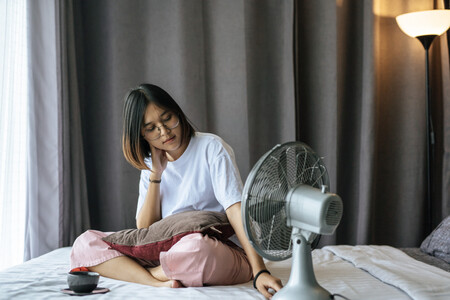
Sleeping with a fan is not the best solution
Taking a warm shower before bedtime can also prepare your body for sleep, as cold showers may cause your body to expend energy warming back up. Additionally, avoiding alcohol, strenuous exercise, and heavy meals right before bed is advisable, as these factors can elevate body temperature.
While we may yearn for peaceful nights unmarred by heat, employing these techniques can help us navigate the challenges of modern hot nights effectively.