
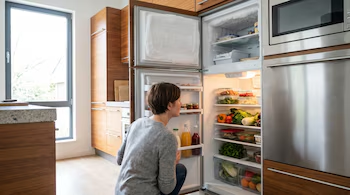
Why Your Refrigerator Might Be Off-Balance
Many people have a habit of stuffing their refrigerators with groceries and leftovers without a second thought. However, this widely overlooked behavior can adversely affect both the longevity of your appliance and the freshness of your food. When cold air cannot circulate properly, it leads to uneven temperature zones that can contribute to premature spoilage.
Understanding Airflow and Temperature
A common misconception is that a fully stocked fridge keeps the cold better. In reality, overloading your refrigerator can block air vents, disrupting airflow. As a result, certain areas may become too warm, leading to faster spoilage, while others may become excessively cold, risking frostbite to sensitive items like fruits and vegetables.
Zones of Your Refrigerator
To enhance food preservation, it’s crucial to understand the specific zones within your refrigerator, each designed for certain types of food.
Top Shelves
The top shelves maintain a more stable temperature and are best for leftovers, drinks, and ready-to-eat items. Avoid placing raw meats or seafood here, as they require lower temperatures for safety.
Lower Shelves
The lower shelves are cooler and ideal for dairy products, eggs, and raw meats. This setup minimizes the risk of bacterial growth and prolongs freshness. Leafy greens should be kept away from this area to prevent damage from excessive cold.
Crispers
Also known as humidity-controlled drawers, crispers are perfect for fruits and vegetables, preventing dehydration. Avoid placing meats in these zones to prevent cross-contamination.
The Door
The refrigerator door experiences the most temperature fluctuations, making it the least suitable place for items like milk and eggs, which can spoil faster. Instead, save this space for condiments and beverages.

Adhering to the Two-Thirds Rule
An effective way to maintain efficient airflow is to follow the two-thirds rule: never fill your refrigerator beyond 66% of its capacity. This guideline allows for proper cold circulation, ensuring that every product stays adequately chilled.
Additionally, maintain at least a 2 cm gap between containers to allow air flow and prevent blockage of cold air outlets at the back wall.
The Benefits of an Organized Refrigerator
Keeping your refrigerator organized not only prolongs food freshness but also enhances energy efficiency, allowing the compressor to run less frequently. This not only saves electricity but is also better for the environment.
In conclusion, a well-organized refrigerator contributes significantly to food safety and the overall durability of the appliance. By understanding and respecting the specific zones in your fridge, you can effectively minimize spoilage and ensure optimal conditions for all your food items.