
## Germany’s World Cup Woes: A Deep Dive into Family Dynamics and Internal Strife
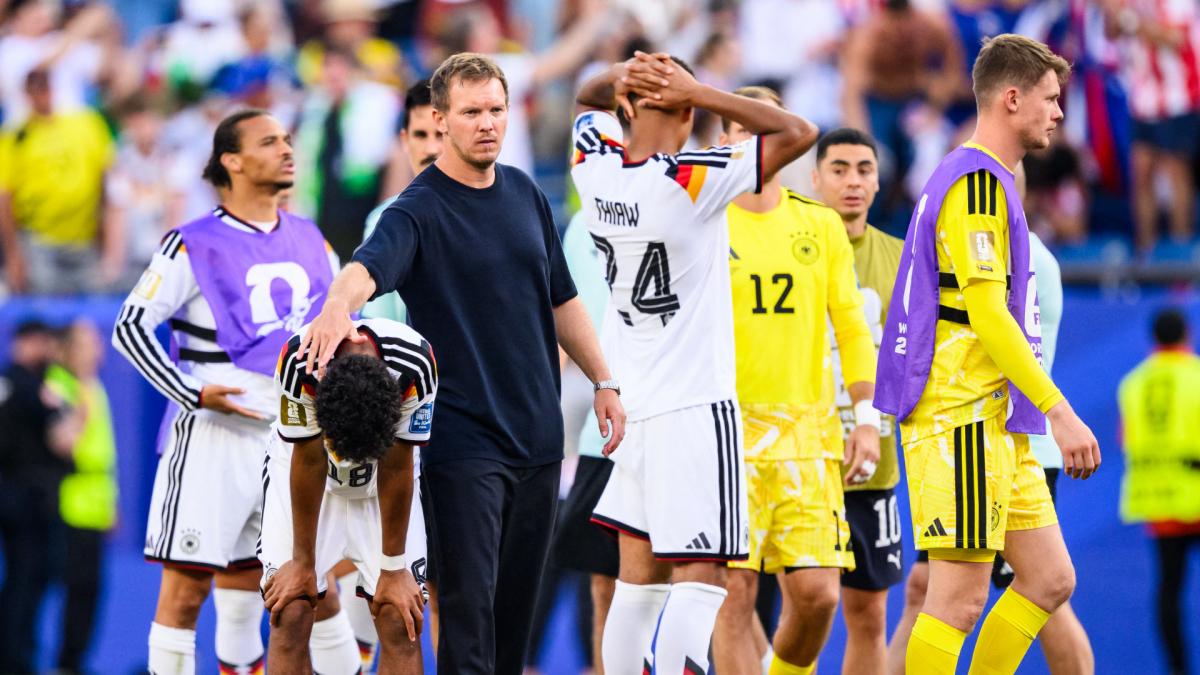
The 2026 World Cup marked a disappointing chapter for Germany, as the national team, known as Die Mannschaft, faced early elimination at the hands of Paraguay in a penalty shootout. Despite boasting a team filled with talent, the loss left a hushed nation seething with frustration and disappointment. The aftermath has revealed far more than tactical failures on the pitch; deeper issues related to jealousy, family involvement, and communication breakdowns have emerged as significant themes that contributed to Germany’s downfall.
### The Coach-Player Disconnect
Julian Nagelsmann, the head coach, was notably criticized post-elimination for a lack of connection with his players. Reports indicated that his communication was severely limited; he reportedly spent more time with his coaching staff and personal life, rather than engaging with the athletes he led. This disconnect raises questions about leadership and the necessary rapport coaches need to foster with their teams, especially during high-pressure situations like the World Cup.
### Family Presence: A Double-Edged Sword
Adding to the complexity of the situation was the presence of players’ families. Lothar Matthäus, a German football legend, revealed in a podcast that the involvement of family members created unforeseen complications during the tournament. While it’s generally accepted that family support can bolster athlete performance, this time, it seemed to breed discontent.
Matthäus pointed out the unfairness perceived by players regarding travel arrangements. Some were allowed to bring their mothers or spouses, while others had to rely on commercial flights. This disparity stoked jealousy and frustration among players, diverting their focus away from the tournament and fostering an atmosphere more akin to a family vacation rather than a professional competition.
### Internal Agitation
The internal strife did not go unnoticed. Matthäus noted that players were at odds with one another due to the preferential treatment given to certain families. The agitation became palpable, affecting the team’s focus during crucial matches. Instead of unifying under a common goal, the familial distractions caused rifts among team members, further complicating an already challenging experience.
### The Broader Implications
This World Cup debacle signals a need for introspection within the German football system. President of the Federation Bernd Neuendorf acknowledged this sentiment, emphasizing that the team cannot ignore such setbacks and must reevaluate its approach going forward. Commentators and analysts alike are now calling for systematic changes to better manage the emotional and logistical elements surrounding players and their families, particularly during major international competitions.
### A Call for Change
As Germany looks ahead to future competitions, including the Euro 2028, the lessons learned from their 2026 World Cup experience cannot be overlooked. Reforming how families are integrated into the footballing experience is essential, as is improving communication between coaches and players.
The outcome of this World Cup serves as a stark reminder that in elite sports, unity and focus often make the difference between victory and defeat. It’s not merely about who is the best on paper, but how well a team can foster collaboration and resilience in the face of challenges both on and off the field. As discussions continue among fans and experts, it’s clear that Germany must prioritize these elements if they hope to reclaim their place on the global stage.