
Rising Cases of Powassan Virus in the U.S.
As of June 29, 2026, the previously rare Powassan virus is becoming increasingly prevalent across the United States, prompting public health experts to raise alarms. The Centers for Disease Control and Prevention (CDC) highlighted a dramatic rise in reported cases: just seven cases were noted in 2015, whereas by 2025, this number surged to 76.
Current Situation and Recent Cases
In 2026 alone, there have already been seven confirmed cases of the Powassan virus, predominantly clustered in Massachusetts (five cases), with one each reported in New York and Wisconsin. Recent updates reveal that additional cases have emerged in Maine and Rhode Island, underscoring the virus’s expanding geographic footprint.
Transmission and Symptoms
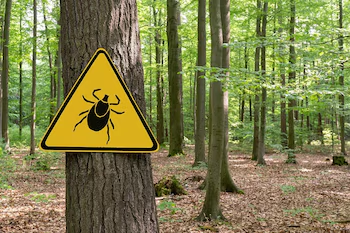
The Powassan virus is primarily spread by the blacklegged tick, which is also responsible for transmitting Lyme disease. Unlike Lyme disease, which requires a tick to feed for 16 to 24 hours to pass on the infection, Powassan can be transmitted in as little as 15 minutes. This rapid transmission poses an alarming risk, especially for outdoor enthusiasts.
While many infected individuals remain asymptomatic, some do experience early symptoms similar to influenza, such as fever and body aches. In more severe cases, the virus can progress to invade the central nervous system, leading to serious conditions like encephalitis or meningitis.
Serious Health Consequences
Up to 15% of those who display symptoms may die from the virus, and approximately half of the survivors face ongoing neurological challenges ranging from memory issues to difficulties with motor skills. These potential outcomes highlight the critical need for awareness and preventive measures.
Factors Contributing to Increased Cases
Experts attribute the rise in Powassan virus cases to several factors, with climate change emerging as a primary contributor. Warmer winters and longer tick seasons extend the timeframe for tick activity, often delaying reported cases until as late as November. Furthermore, such environmental changes support growing populations of animals like deer and rodents, which serve as hosts for these ticks.
Improved diagnostic techniques could also explain the uptick in reported cases, as health authorities are better equipped to identify infections that may have gone unnoticed in the past.
Preventive Measures
To mitigate the risk of Powassan virus infection, experts recommend several precautions. These include wearing long pants tucked into socks, using clothing treated with the insecticide permethrin, and applying EPA-registered skin repellents. After engaging in outdoor activities, individuals should check themselves for ticks and promptly remove any that are found.
It’s crucial to dry clothing on high heat for at least 10 minutes post-exposure to eliminate any ticks that may have latched on.
Final Thoughts
Although cases of the Powassan virus remain rare, its potential to impact human health severely cannot be overlooked. Public awareness and vigilance are key to preventing infections and minimizing the associated risks.
For more information about the Powassan virus, resources are available through the US Centers for Disease Control and Prevention (CDC).