
## Ban on Swimming for Non-German Speakers: A Controversial Decision
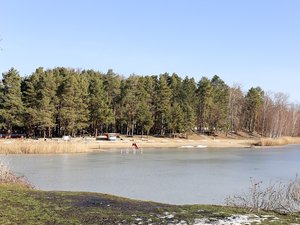
In Halle-sur-Saale, Germany, a recent decision by the manager of the Heidebad bathing lake has ignited significant controversy. Effective Monday, June 22, 2026, access to the lake has been prohibited for individuals who do not speak German. Mathias Nobel, the lake’s manager, cites safety concerns as the reason for this measure, although many argue that it represents a discriminatory practice.
### Safety Concerns or Discrimination?
The Heidebad bathing lake, a popular spot during the summer months, has become a battleground for broader conversations about inclusivity and safety. Nobel insists that the ban was instituted with the safety of bathers in mind, explaining that previous incidents involved non-German-speaking bathers ignoring important safety announcements. He emphasized, “We need to make sure visitors understand our swimming rules…”
However, critics argue that the measure unfairly targets non-German speakers and effectively serves as an exclusionary practice rather than a legitimate safety measure. A spokesperson from the national anti-discrimination agency pointedly compared this ban to hypothetical scenarios where German tourists would be similarly restricted in foreign countries, thereby highlighting its problematic nature.
### Reaction from Officials and the Public
The outrage surrounding this decision prompted the authorities in Halle-sur-Saale to intervene. City officials have requested that Nobel lift the ban, arguing that it does not align with public access principles. A spokesperson remarked, “The public character of the beach cannot be compromised by internal regulations that serve to impose access barriers on entire population groups.” The controversy has revealed a deep divide among residents and highlights ongoing discussions about xenophobia and inclusivity in public spaces.
### Political Underpinnings
The timing of this controversy is particularly noteworthy, as Halle-sur-Saale is located in Saxony-Anhalt, where elections are set to take place in September. Recent polls suggest that the far-right, anti-immigration Alternative für Deutschland (AfD) party is gaining significant traction, capturing approximately 42% of voter support. The political landscape may be fueling sentiments that influence public opinion on such controversial measures.
### Public Safety in Perspective
It is essential to consider that while public safety should remain a priority, measures that limit access based on language proficiency create a concerning precedent. Lifeguards play a vital role in ensuring the safety of all bathers, and language barriers can be addressed through alternative solutions, such as multilingual postings or the hiring of multicultural staff.
### Conclusion
The decision to ban non-German speakers from swimming at Heidebad has sparked a wide-ranging debate about inclusivity, public safety, and the boundaries of responsible governance. It serves as a reminder that policies intended to protect can sometimes lead to unintended consequences that affect entire communities. As this situation continues to unfold, it will be crucial for local authorities to balance safety with inclusivity, ensuring that public spaces remain accessible to all.