
SpaceX’s Starfall: A New Era in Space Transportation
At 6:53 AM EDT today, a Falcon 9 rocket launched from Cape Canaveral, Florida, embarking on a mission that could reshape space transportation. This mission’s highlight was the technical demonstration of SpaceX’s re-entry capsule, aptly named Starfall. Unlike other missions focused on lunar or Martian exploration, Starfall is aimed at a more immediate goal: facilitating the manufacturing of products in space and their subsequent delivery to Earth.
Musk’s Vision: Beyond Exploration
According to documents from the Federal Aviation Administration (FAA), the core purpose of Starfall is the “transport and delivery of goods through space.” This initiative marks a significant shift for SpaceX as it transitions from traditional space exploration to addressing commercial operational challenges on Earth. As highlighted by Ars Technica, the move echoes earlier efforts with Starlink, where SpaceX moved into new business arenas.
A Glimpse into the Future with Starfall
Starfall promises a new mode of transport, supporting rapid delivery of critical payloads through space. This capability could revolutionize manufacturing, especially in pharmaceutical products. With microgravity allowing unique manufacturing processes, Starfall could become essential for delivering such products back to Earth efficiently.
Specifications and Cargo Capacity
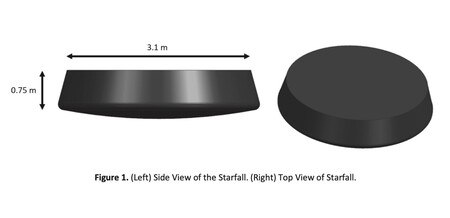
The design of the Starfall capsule boasts a cylindrical shape, measuring 3.1 meters in diameter, 0.75 meters in height, and weighing approximately 2.1 tons. It is expected to have a cargo capacity of about one metric ton, allowing for significant payloads to be transported back and forth between space and Earth.
Strategic Market Positioning
With Starfall, SpaceX is entering a competitive landscape that already includes companies like Varda Space Industries and Atmos Space Cargo, who have launched their own re-entry vehicles aboard Falcon 9 rockets. The key advantage for SpaceX is its vertical integration and cost-effectiveness, making it a formidable competitor in this evolving market.
The Future: Space Mining and More
While Starfall currently focuses on pharmaceutical production in microgravity, there are broader implications for future endeavors. Medium to long-term goals may include asteroid mining, which could prove commercially advantageous and require affordable methods to transport extracted metals and rare earth resources back to Earth.
Joining Forces for Mars Colonization
Starfall may also play a role in Elon Musk’s grand ambition to colonize Mars. While the massive Starship will handle heavier loads, Starfall is designed for precise delivery of smaller, critical supplies and delicate equipment, supporting future Mars missions effectively.
Controlling Space Supply Routes
The overarching strategy behind Starfall seems reminiscent of the approach SpaceX took with Starlink—dominating supply routes and logistics in space, rather than just exploratory missions. This new focus may alter how we view space commerce and utilization.
In Conclusion, SpaceX’s Starfall represents not just a technical advancement but a strategic shift toward integrating space manufacturing and commerce with Earth operations, setting the stage for a complex, profitable future in space exploration and resource utilization.