
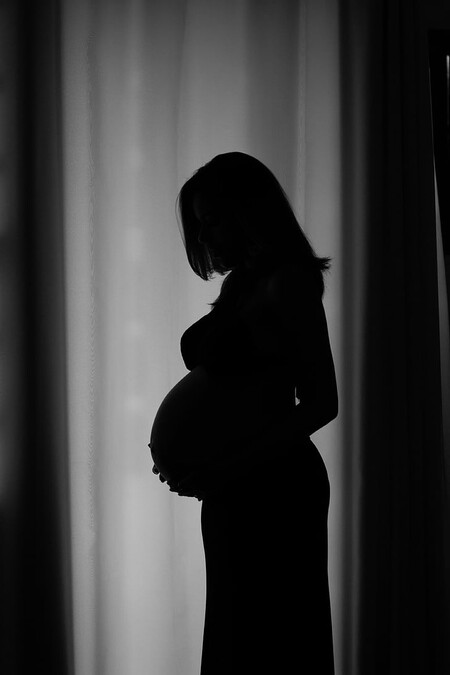
The Silent Struggle: The Invisible Problem of Pregorexia
In 1992, Princess Diana of Wales broke one of the great taboos of her time by revealing her battle with bulimia in the book Diana: Her True Story. This confession catalyzed what specialists later termed the “Diana Effect,” inspiring many women to seek help for their own struggles. It highlighted the reality that pregnancy, body image, and food can play host to invisible conflicts.
The Perfect Storm of Pregnancy
Pregnancy is often viewed as a time of growth and fulfillment. However, for some women, it can trigger or reactivate eating disorders in a phenomenon commonly referred to as pregorexia. Although not an official diagnosis, this term encapsulates the growing concern surrounding the obsession with weight control during the inevitable physical changes of pregnancy.
A Hidden Reality
Experts estimate that about one in twenty women experience this in silence. Psychiatrists like Megan Galbally have poignantly described this internal struggle as “being on a train that you can’t get off,” where the body undergoes transformation while the mind fights to resist.
The Battle Between Body and Mind
For women with a history of eating disorders such as anorexia or bulimia, pregnancy can feel like reopening old wounds. Elizabeth Claydon, a public health researcher, recalls feeling as though her pregnancy was in direct conflict with her eating disorder. The emotional toll can lead to a sense of disconnection, with phrases like “waking up in a body that wasn’t mine” highlighting this psychological crisis.
The Weight of Pressure
Pregnancy demands that women gain weight—something many with eating disorders have been battling for years. Gemma Sharp bluntly refers to this as “the perfect storm for an eating disorder.” Hormonal fluctuations, insomnia, and rapid physical changes all converge to create a potent mix of anxiety and stress, pushing many women into silence about their struggles.
The Biological Impact
This crisis isn’t just mental; it has tangible biological consequences. When nutrition is deficient, a pregnant woman’s body often prioritizes the fetus at the expense of her health, leading to serious complications such as muscle loss and anemia. Research indicates that conditions like anorexia can double the risks during pregnancy, affecting both mother and child.
Postpartum: The Second Challenge
The postpartum period can be even more detrimental. Following childbirth, hormonal changes and societal pressures to “get your body back” can trigger relapses. Yoga instructor Courtney Louise shares her experience, describing the crushing pressure postpartum and the feeling of being trapped, a sentiment echoed by 13% of mothers who meet clinical criteria for an eating disorder.
A Hidden Disorder
This invisible struggle remains largely unnoticed. Signs often mimic typical pregnancy symptoms like vomiting or changes in appetite, making it easy for the underlying issue to go unrecognized. Sharp poignantly notes that the bodies of pregnant women seem to be viewed as public property, with everyone offering unsolicited opinions while ignoring their internal battles.
Pathways to Recovery
Despite the challenges, experts assert that pregnancy can serve as a unique opportunity for healing. Early support from a coordinated team of obstetricians, nutritionists, and psychologists is crucial. Linda Shanti sums it up: “Everyone has an eating disorder alone, but no one recovers alone.” Breaking the silence around this invisible problem is essential for recovery.