
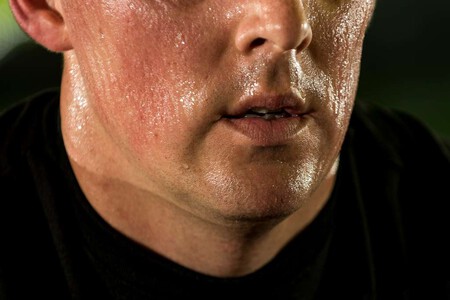
Sweating Profusely Doesn’t Mean You Train Better: The Summer Myth Uncovered
At the 1904 Olympic Games, a disastrous marathon experiment sought to prove that limited water intake could enhance performance. With just one hydration point and temperatures soaring, runners experienced collapses and hallucinations. More than a century later, this scenario reminds us of a crucial lesson: sweating isn’t a testament to strength—it’s a survival mechanism.
The Great Myth of Summer Training
Every summer, we see runners drenched in sweat, mistakenly believing that more sweat equates to better training. However, as revealed by physiologists, excessive sweating does not act as a badge of honor or a definitive measure of effort. As physiologist Mindy Millard-Stafford notes in the New York Times, sweat rates vary significantly between individuals and are influenced by genetics, environment, and acclimatization. Therefore, finishing a workout soaking wet doesn’t necessarily indicate superior performance.
Sweat as a Survival Mechanism
The first step in debunking the sweating myth is understanding its purpose. According to sports doctor Michael Fredericson, sweat serves primarily to regulate body temperature. It doesn’t indicate energy expended or calories burned; rather, it’s an emergency response to heat and exertion. When temperatures rise or exercise intensity increases, the brain signals sweat glands to activate in order to cool down the body. Thus, what seems like an indication of hard work is really a signal for temperature regulation.
Individual Differences in Sweating
Sweat production is notoriously variable, even among athletes. Fredericson emphasizes that “even among serious athletes, no two people sweat the same.” Factors such as humidity, wind, sun exposure, and clothing can dramatically affect sweat rates. For example, an intense workout in a humid indoor gym may produce more sweat than a similar outdoor session, not necessarily indicating greater effort but rather a need for enhanced cooling.
Adaptation Leads to Efficient Sweating
As athletes train regularly, their bodies adapt to heat, learning to sweat more effectively. Physiologist W. Larry Kenney explains that acclimatized individuals produce a more dilute sweat, resulting in better evaporation rates. Therefore, a well-adapted athlete may appear to sweat profusely but is often functioning more efficiently.
The Dangers of Overheating
While sweating is essential for cooling, it becomes problematic when the body’s cooling effort leads to significant fluid loss. During intense heat, athletes can lose over one liter of fluid per hour, resulting in a drop of 2% to 6% of body weight. This loss can significantly impact both physical performance and cognitive abilities. Once the body reaches this threshold, athletes may experience decreased coordination, impaired decision-making, and an increased risk of cardiovascular issues. Thus, sweating transitions from an ally to a liability.
The True Metric: Heart Rate
So, if sweat isn’t a reliable measure of effort, what should athletes focus on? Heart rate emerges as a far more reliable indicator of intensity. Sports cardiologist Sean Swearingen emphasizes the importance of monitoring heart rate during training, which often reacts more rapidly in response to heat stress. The message is clear: keep your heart rate in check, even if it requires slowing down or adjusting workout distances.
Embracing Slower Training Sessions
As Millard-Stafford wisely puts it, “Leave your ego at the door and be prepared to start slower.” The essence of effective training in summer often lies in the acceptance of slower paces. Some days, training better means recognizing that going slow is precisely what your body needs.
In conclusion, shedding the myth that sweat is synonymous with effort could be crucial for summer training success. By understanding the physiological purposes of sweat and focusing on appropriate metrics like heart rate, athletes can tailor their workouts wisely while prioritizing health over ego.