
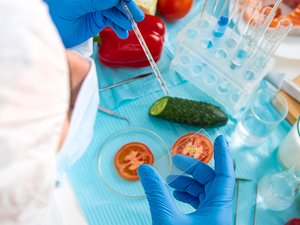
The European Parliament’s Green Light for New Genomic Techniques
The European Parliament made a significant decision on June 17, 2023, by officially approving the use of new genomic techniques (NGTs) in agriculture. This marks a pivotal moment, as these methods promise to enhance crop resilience to drought and disease. However, the approval has ignited a fervent debate among environmental advocates and small-scale farmers who express concerns over potential repercussions.
Understanding New Genomic Techniques
New genomic techniques refer to advanced methods that modify a plant’s genome without introducing foreign DNA, distinguishing them from traditional genetically modified organisms (GMOs). These techniques can create crop varieties that require less water and pesticides, or even produce low-gluten wheat. As such, while they are categorized as genetically modified, they are not classified as “transgenic” under the new legislation.
Historical Context of GMOs in the EU
Until this recent vote, the European Union had maintained a stringent ban on GMOs, with the exception of a few instances such as the cultivation of Monsanto 810 corn in limited areas of Spain and Portugal. The inclusion of NGTs into European agricultural practice represents a significant shift in policy and regulations, specifically aimed at fostering innovation to combat challenges posed by climate change.
Swedish MEP Jessica Polfjärd, who served as the law’s rapporteur, championed NGTs, highlighting their potential to increase yields on smaller areas, thereby addressing food security concerns. This enthusiasm is echoed by agricultural groups and seed companies, which advocate for the adoption of these technologies to maintain European competitiveness against nations like the United States and China.
Opposition from Organic Farmers and Smallholders
Despite the backing from industrial agricultural factions, widespread opposition has emerged from organic farmers and representatives of small farms. Many of these stakeholders fear that the introduction of NGTs could lead to market concentration, pushing smaller producers to the fringes. Thomas Gibert, a market gardener and spokesperson for the Confédération paysanne in France, articulated these concerns, labeling NGTs as a major risk that may result in the privatization and homogenization of agricultural practices.
Market Concentration Risks and the Debate Over Patents
A significant aspect of the discussions has centered around the potential for patenting NGTs. Socialist MEP Christophe Clergeau attempted to introduce amendments to limit patent protections but faced rejection. He argued that patents could exacerbate market concentration, leaving small seed producers vulnerable to the influence of large agribusiness conglomerates. This raises a concern about the diversity of crops and farming methods that could ultimately be jeopardized.
Assurances from Lawmakers
Proponents of the legislation, particularly those aligned with the right and center political spectrum, have claimed that safeguards are in place. Notably, the law prohibits the commercialization of NGTs that confer herbicide resistance or produce insecticides, reinforcing a commitment to sustainability. It also explicitly disallows the use of NGTs in organic farming, preserving the integrity of organic agricultural practices.
Conclusion: A Divided Agricultural Landscape
The approval of new genomic techniques in the European Parliament represents a watershed moment in agricultural innovation, set against a backdrop of ripe controversy. As Europe prepares for a new era of genetic modification, the tensions between technological advancement and traditional farming practices will remain pronounced. Advocates stress the need for innovation to ensure food security in the face of climate change, while opponents caution against the potential risks to biodiversity and small-scale farming. The future of agriculture in Europe may very well hinge on how these dynamics unfold in the coming years.