
The Political Clash: Iran and New Zealand Draw in a Heated World Cup Match
In a highly charged atmosphere reminiscent of a geopolitical showdown, Iran and New Zealand faced off in a World Cup match that transcended sports. The game, held in Los Angeles, drew attention not only for the athletic skills on display but also for its laden political context.
A Charged Atmosphere
Tim Bush, a New Zealand supporter, emphasizes that politics should never mingle with sports, declaring, “I just came to see the best players from my country.” Yet, this stance proved difficult in the face of rising tensions related to the ongoing conflict in the Middle East. The match attracted significant attention, especially in Los Angeles, which is home to the largest Iranian community outside of Iran.
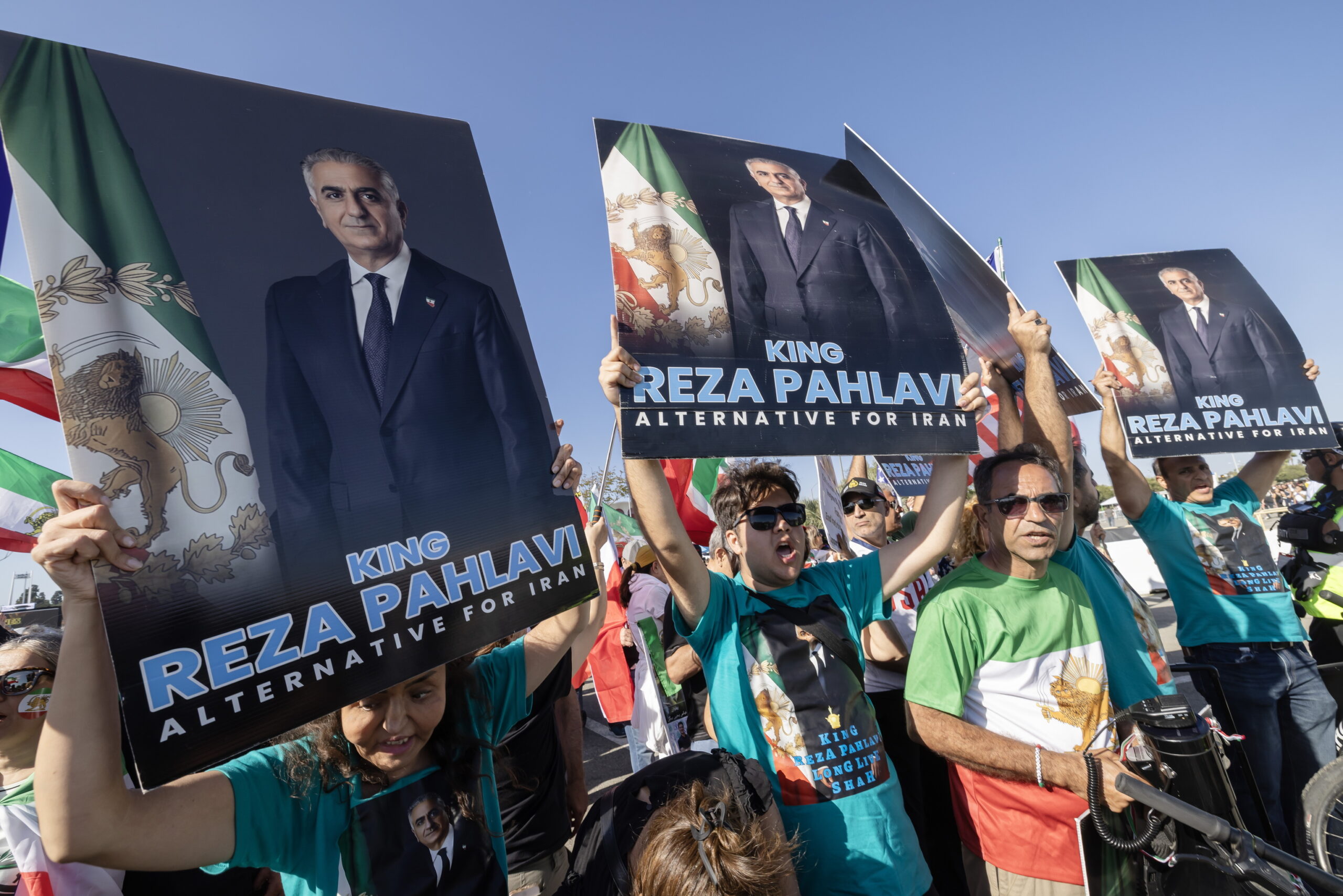
An hour and a half before the game, the atmosphere outside SoFi Stadium was thick with tension. Between 300 to 500 protestors gathered, decrying the Iranian government just hours after the U.S. announced a peace agreement concluding over three months of armed conflict.
Protests and Support
Protestor Ali Mina, megaphone in hand, shouted slogans against the Iranian regime. “Congratulations, you’re about to see terrorists play football for the first time,” he quipped, surrounded by supporters waving flags from before the Islamic regime of 1979, which FIFA had deemed prohibited for stadium display during the tournament.
Others had mixed feelings about showing their support. Michael, displaying a flag featuring the ancient symbol of a lion and sun, stated, “I’ll try at least,” admitting he planned to hide it during security checks. He further indicated that many compatriots were reluctant to attend the match, believing the team represented the regime rather than the people. “I just hope there’s a regime change soon,” he lamented.
Meanwhile, Neta Mehr proclaimed her pride in supporting her national team despite the political turmoil, stating, “We won’t let all this war nonsense ruin our excitement.” She emphasized the distinction between the Iranian culture and the current government, which she called “disgusting.”
The Game Day Experience
As fans queued to enter the stadium, anxiety was palpable. Those who had paraded with flags began to conceal them amid the presence of security personnel. However, this did not dampen spirits once inside the stadium. Fans unveiled their banned flags and donned face stickers featuring pre-revolutionary symbols, celebrating their history and heritage.
A Mixed Atmosphere of Politics and Passion
A loud chorus of boos greeted the Iranian national anthem, giving way to a wave of excitement from the stands. Within moments, the crowd shifted from political grievances to unconditional support for the teams on the pitch, with cheers reaching a fever pitch. Astoundingly, the most celebrated player didn’t don the Iranian colors but rather hails from New Zealand. Tim Payne, a Kiwi defender, became an online sensation after social media discussions drew attention to him, skyrocketing his follower count to over 5.7 million.
As the game unfolded, New Zealand’s Elijah Just nearly secured an unprecedented World Cup victory with a double, while Iranian players Rezaeian and Mohebbi found the net for their team, showcasing the skill of both sides. The match highlighted a unique aspect of sports: even in discord, the players could capture the hearts of fans across political divides.
A Game of Emotion and Ideology
What transpired on the field served as a microcosm of larger global tensions. While the encounter symbolized a clash of political ideologies, it also allowed fans to momentarily forget the weight of their grievances. Iran’s players experienced what felt like playing away in enemy territory, yet they felt the warmth from a crowd that harbored love for their nation despite its current regime.
As the match concluded, choosing to focus on sports rather than politics offered a glimpse into the potential for unity amid division, albeit briefly.