
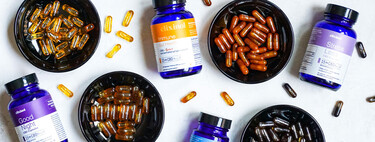
In the era of well-being, we have become accustomed to seeing how our social networks are flooded with exotic and aesthetic foods. We have shied away from a sedentary lifestyle and embraced trends that a few years ago seemed impossible to find. It happened with matcha tea, coconut milk, and, in recent years, the undisputed king of healthy “posturing” has been açaí, omnipresent in bowls colorful ones promoted by nutrition gurus.
The Rise of Açaí: More Than Just a Trend
What seemed to be simply another fad imported from the United States has made the definitive leap to mass consumption in Spain. Mercadona has joined this fever by launching an açaí sorbet with guarana flavor for the summer. This commercial surge raises an important question: behind the aesthetic hype, are there real benefits, or is it simply smoke? The medical evidence is resounding: açaí is a superfood that literally crushes historical competitors like blueberries.
Understanding Açaí
To understand this phenomenon, we must first clarify what exactly we are eating. The açaí (Euterpe oleracea) is not technically a berry but a drupe (a fruit with a large central stone). It grows high on palm trees in the rainforests of Central and South America, where it has been a staple food for indigenous communities for centuries.
Why don’t we see it fresh in our neighborhood fruit shop? The answer lies in logistics. Fresh açaí has a very short shelf life, spoiling in just 24 hours after harvesting. Thus, the only way to export it is through frozen pulp or freeze-dried powder.
Nutritional Benefits of Açaí
A True Antioxidant Bomb
The aesthetics of Instagram initially overshadowed what the medical community has long studied in amazement. According to Dr. Sara Marín Berbell, “It is fashionable, yes, but it also has more antioxidants than blueberries.” The key to its power lies in anthocyanins, the plant pigment that gives açaí its dark purple color and protects our cells against oxidative damage responsible for premature aging.
Unmatched Nutritional Profile
Açaí’s nutritional profile is a rarity among fruits. It is unusually high in healthy fats and very low in sugar (about 2 grams per 100 grams). Additionally, registered dietitian Julia Zumpano explains that açaí is rich in phytosterols, plant compounds that block cholesterol absorption in the bloodstream, thus protecting our cardiovascular health.
Be Wary of Supermarket Offerings
The Supermarket Trap
With such an impressive health resume, it’s easy to assume that all products labeled as “açaí” are healthy. However, nutritionists caution against this assumption. For instance, Mercadona’s recent sorbet contains 11 grams of sugar per 100 grams, whereas natural fruit has only about 2–3 grams. It’s essential to scrutinize labels carefully.
High-Calorie Açaí Bowls
Famed açaí bowls can quickly become high-calorie bombs if not prepared mindfully, often incorporating sugary bases or excessive toppings. The solution? Seek out supermarkets that provide real, pure açaí alternatives like 100% frozen tablets without added sugars, allowing consumers to create genuinely healthy options at home.
The Bigger Picture
Purple Gold and Environmental Impact
The impact of açaí has transcended diets to become a matter of ecological survival. It generates over a billion dollars annually worldwide, capturing the attention of major corporations. Brazil has even declared açaí its “national fruit” to prevent biopiracy.
Beyond the fruit, the native stingless bees of the Amazon play a crucial role in pollinating açaí. These bees contribute to sustainable agriculture, enabling families to move away from harmful practices like deforestation.
A Cautionary Conclusion
Science confirms that açaí truly deserves its title as “purple gold.” Its cardiovascular, neurological, and antioxidant benefits are real. However, caution is necessary. Experts like Julia Zumpano warn against diets based solely on açaí supplements, as they lack scientific backing. Variety matters; while açaí is powerful, it shouldn’t replace other nutritious fruits in a balanced diet.
Açaí stands as one of the most significant nutritional discoveries of our time. The onus is on consumers to leverage its impressive properties without falling for sugary variants masquerading as health foods.