
Clandestine Operating Rooms in Barranquilla: Health Risks from Beauty Centers
Growing Health Concerns
The increasing demand for affordable aesthetic treatments in Barranquilla has led to alarming health risks. Recent inspections revealed that several beauty centers and spas were operating illegally, carrying out invasive procedures without the necessary medical oversight. This lack of regulation poses significant risks to the public, as these establishments often lack qualified personnel and the required safety measures.
Closure of Eight Beauty Centers
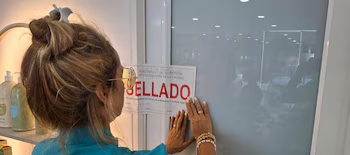
In a concerted effort to address these issues, health authorities executed operations between May and June 2026, resulting in the closure of eight beauty centers. During these inspections, officials confiscated medications, equipment, and supplies that could have jeopardized public health. These measures were crucial to mitigate the risks associated with unregulated surgical and aesthetic services.
Discovery of Clandestine Operating Rooms
One of the most concerning findings was the existence of clandestine operating rooms set up in hair salons, homes, and other unlicensed establishments. In these locations, unauthorized procedures like liposuction, laser treatments, and intravenous infusions were administered. Such practices are supposed to be exclusive to certified medical professionals operating within licensed health facilities.
Inspections Reveal Serious Violations
The inspections highlighted significant violations, including:
- Absence of health records and operating permits.
- Lack of biosafety protocols.
- Insufficiently trained personnel.
These violations contribute to a heightened risk of complications for unsuspecting clients seeking these services.
Historical Context of Clandestine Operations
This issue isn’t new to Barranquilla’s health authorities. A report from the Quality Assurance Office detailed 33 interventions from 2024 to 2026 targeting these irregular service providers. During these actions, authorities identified various establishments that not only performed surgeries without proper training but also advertised unauthorized services to the public.
Importance of Regulation and Verified Services
The administration is aware of the need for stringent supervision. Over 102 health service providers, including independent professionals, have undergone inspections to ensure compliance with the Ministry of Health regulations. These visits aim to enforce quality and safety standards, ensuring patients receive care in environments that minimize risks.
The Call for Caution
Stephanie Araujo, the District Secretary of Health, urged citizens to avoid being enticed by low-cost offers that compromise safety. She emphasized that the decision to undergo any procedure should be based on thorough verification of the facility and the qualifications of the professional involved. Araujo reminded the public that beauty centers and salons are not equipped to conduct invasive procedures.
Precautions for Consumers
Citizens are encouraged to utilize the Special Registry of Health Service Providers (REPS) to confirm the legitimacy of establishments offering aesthetic services. Additionally, checking the Single National Registry of Human Talent in Health (ReTHUS) can help ensure that the professional in charge possesses the requisite qualifications.
Reporting Illegal Activities
The issue of clandestine clinics operating covertly within residential areas remains a significant challenge for health surveillance. Complaints about such practices will be forwarded to the Attorney General’s Office and the Metropolitan Police for further investigation. Authorities urge individuals to report any suspicious activities related to unlicensed aesthetic services.
Conclusion: Prioritizing Patient Safety Over Cost
Ultimately, the District Health Secretariat underscores the critical need for safety in aesthetic procedures. Illegal medical practices can result in severe complications, including infections and even fatalities. Citizens must prioritize their well-being over financial considerations, ensuring that they seek care from authorized and qualified providers.