
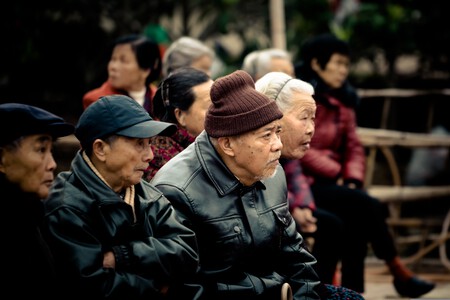
The Shift to a Silver Economy in China
In Japan, a trend has emerged where companies actively employ retirees to address labor shortages brought about by an aging population. This unique approach recognizes seniors as a valuable resource for the economy. Now, China finds itself in a similar situation as it grapples with its declining birth rate and increasing number of retirees.
Beijing’s Changing Perspective
Beijing no longer anticipates a baby boom. For years, the Chinese government encouraged families to have more children through various incentives and campaigns. However, despite these efforts, the reality of a declining birth rate has become unmistakable. Future forecasts indicate that China will face an increasingly aging demographic, with hundreds of millions of citizens projected to be over 65 in the coming decades.
Embracing the Silver Economy
The government has shifted its strategy, focusing on the “silver economy”—an initiative aimed at converting the needs and services for older adults into a major economic driver. Experts estimate this market could reach a staggering 30 trillion yuan by 2035, fueled by a growing elderly population expected to surpass 400 million, comprising more than 30% of the national total.
Economic Opportunities Amid Challenges
As the real estate sector struggles, authorities are positioning retirees as a new source of economic activity, capable of generating jobs and mobilizing investment. During a recent large fair in Shanghai dedicated to elderly care and health, over 600 companies showcased innovative products tailored for an aging society. This reflects a critical shift in how the nation perceives its elderly population.
Innovations Targeting the Elderly
Technological advancements have played a pivotal role in addressing the needs of seniors. Innovations such as exoskeletons for mobility, robotic assistants, smart beds, and various health products are designed specifically to enhance life quality. Many solutions introduced address the physical and economic burdens that accompany aging.
Business Adaptation and Evolution
Companies are reorienting their strategies to address the growing senior market. Products initially aimed at children, such as nutritional formulas, are now being adapted for older adults. Educational tools once designed for schoolchildren are now marketed to retirees, focusing on skills development that enhances their quality of life.
A New Generation of Active Seniors
Today’s Chinese seniors possess increased income and leisure time compared to previous generations. They seek not just to meet basic needs but also desire cultural activities, wellness programs, and personal growth experiences. Opportunities like senior universities and music courses are gaining popularity, emphasizing the shift in perception from dependence to empowered consumerism.
Turning Challenges into Opportunities
China’s silver economy aims to transform a significant structural challenge into a lucrative opportunity. The aging population poses real challenges for pensions, healthcare, and the labor market. Instead of waiting for a resurgence in birth rates, the government is reorganizing entire sectors to cater to an older demographic. This proactive approach focuses on converting retirees into a multi-billion dollar industry that can support future economic growth.
In summary, while demographic shifts present challenges, China is actively seeking to capitalize on these changes by fostering a new economic landscape centered around its elderly population. This comprehensive plan aims to ensure sustainable growth in the face of diminishing youth demographics.