
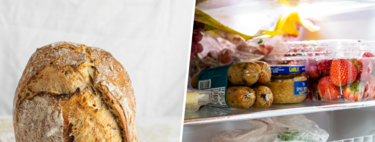
The Importance of Bread Preservation in Spain
In Spain, bread holds cultural and culinary significance; however, it is also one of the most wasted foods in the country. According to the Ministry of Agriculture, Fisheries and Food, an astonishing 58.8 million kilos of bread are discarded annually—equating to about nine kilos per household. This waste accounts for over 5% of total food waste in Spain, highlighting a pressing issue that demands attention.
The Summer Struggle: Heat and Bread Quality
As temperatures rise during the summer months, the situation worsens. José Roldán, the reigning best baker in the world for 2025, emphasizes the need to alter our approaches to bread preservation in heat. “Bread is preserved differently in summer,” he notes, indicating that traditional methods might not be sufficient in warmer climates.
Understanding Bread Preservation
To grasp why conventional storage methods fail when the heat arrives, we must delve into the physical processes involved in bread preservation:
- Desiccation: The loss of moisture from the bread, which becomes significantly accelerated in hot conditions.
- Starch Retrogradation: This process refers to the recrystallization of starch within the bread, typically independent of humidity, but complicated by heat.
When heat intensifies, these two processes overlap and exacerbate each other, leading to a significantly reduced shelf life for bread.
Rethinking Storage Options: Cloth vs. Plastic
Traditionally, cloth bags have been popular for storing bread, allowing it to breathe and modestly preserve its freshness for much of the year. However, Roldán argues that during summer, this method needs reevaluation.
Why Not Cloth or Paper?
“Increased heat causes bread to lose moisture faster,” Roldán explains. This rapid loss not only leads to drier bread but also affects the texture, an element crucial to bread’s enjoyment and quality.
Recommended Storage Solutions
So what can we do to keep our bread fresh during the hotter months? Roldán suggests shifting to plastic bags instead. Although this recommendation may seem counterintuitive, plastic effectively maintains the bread’s internal moisture, an essential factor for long-lasting freshness.
- Potential Drawbacks: While using plastic may lead to a softer crust, Roldán provides a solution—simply give the bread a “heat stroke” (a brief heating session in the oven) to restore its original texture.
The Best Long-Term Solution: Freezing
Roldán’s ultimate recommendation for preserving bread is freezing. After obtaining good-quality bread, slicing it and placing it directly in the freezer can significantly extend its shelf life. “It can last up to six months when packed airtight,” he advises. This method ensures that you can enjoy freshly baked bread any time with minimal effort—just a quick toast or oven reheat restores its once-fresh taste and texture.
Conclusion
In summary, Spanish baker José Roldán encourages a reevaluation of how we store bread in warmer climates. By moving away from cloth and paper bags to plastic for immediate storage and utilizing freezing for long-term solutions, we can significantly reduce waste and improve the quality of our beloved bread. The next time you buy a loaf, consider these tips and help combat bread waste in Spain.