
Norway’s Challenge: Testing Electric Car Capabilities
Norges Automobil-Forbund (NAF), Norway’s automobile association, recently tested 24 electric cars to evaluate their real-world range and performance. Conducted during the summer, the tests yielded fascinating insights into the capabilities of various electric vehicles, highlighting the competitive landscape dominated by established brands like BMW and Mercedes, alongside impressive challengers from China.
The Standouts: BMW and Chinese Brands Lead the Pack
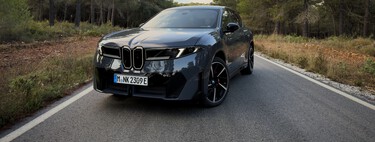
Best in Class: The standout performer in the recent tests is the BMW iX3, which achieved an impressive 781 kilometers on a single charge. This exceeded its official WLTP rating of 770 kilometers. This remarkable achievement can be attributed to its large 108.7 kWh battery combined with a commendable energy consumption rate of just 14.2 kWh/100 km, showcasing an impressive balance of efficiency and power.
A Surprising Contender: XPeng X9
While BMW’s performance was anticipated, the XPeng X9, a Chinese electric minivan, stole the spotlight by covering 646 kilometers, far exceeding its WLTP rating of 580 kilometers. This significant overperformance highlights the advancements in battery technology among Chinese manufacturers, bringing them closer to major European brands.
Performance Beyond Expectations
Positive Surprises: Apart from the top two, an additional 11 vehicles also surpassed their expected ranges. Notably, vehicles such as the Mercedes GLB and GLC performed well, achieving 30 and 22 kilometers beyond their ratings, respectively. Several other Chinese vehicles, including the MG S6 EV and Smart #5, also managed to excel.
Among the Underperformers
Out of the 24 cars tested, 12 offered lower performance than stipulated by the WLTP cycle. Notably, the Toyota Bz4X attained its promised 506 kilometers. Meanwhile, the MG IM6 fell significantly short, recording 59 kilometers less than anticipated.
Battery Technology: Key to Performance
Insights into Chemistry: The results suggest a clear trend that the use of NCM (Nickel, Cobalt, Manganese) battery chemistry among many successful models significantly contributes to their superior performance. Conversely, those with LFP (Lithium Iron Phosphate) batteries tended to underperform under similar conditions, highlighting the ongoing evolution and specialization in electric vehicle battery technologies.
Conclusion: A Positive Outlook for Electric Vehicles
The Norwegian tests solidify the idea that while legacy brands like BMW and Mercedes continue to innovate, emerging Chinese manufacturers are making remarkable strides and challenging the status quo. This is not just a win for competition but a win for consumers as well, paving the way for robust advancements in electric vehicle technology and infrastructure.
For further details on the tests and absolute performance metrics of each vehicle, you can explore the NAF’s detailed reports.