
A Historical Context: Taiwan and China’s Long-standing Tensions
In the late 1950s, China aggressively bombarded the Taiwanese islands of Kinmen and Matsu with numerous projectiles, assessing both Taiwan and the United States’ resolve. This crisis rendered the Taiwan Strait one of the most perilous regions during the Cold War, leaving a lasting impact on military strategies in both China and Taiwan.
China’s Persistent Military Drills
For years, China has engaged in extensive military drills aimed at rehearsing blockade, landing, and invasion tactics around Taiwan. With ships and aircraft continuously operating in proximity to the island, the Chinese government maintains its stance on the potential use of force to achieve reunification.
Taiwan’s Strategic Countermeasures
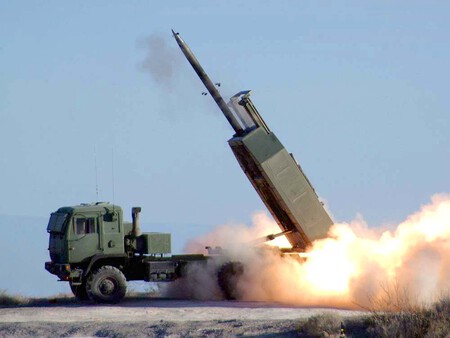
In a significant response, Taiwan has recently taken bold measures by utilizing the HIMARS rocket launcher for live-fire exercises along its western coast. This area is notably recognized as a likely target for Chinese landing operations. The live-fire demonstration marks a pivotal shift in Taiwan’s military strategy, emphasizing direct preparedness for a potential invasion rather than distant training.
Significance of the HIMARS Exercises
HIMARS were strategically positioned facing the Taiwan Strait, launching numerous rockets intended to thwart any Chinese amphibious operations. The implicit message is clear: any Chinese attempt to invade would encounter substantial resistance before reaching the shoreline, showcasing Taiwan’s readiness to engage defensively.
The Role of U.S. Weaponry in Taiwan’s Defense Strategy
The HIMARS system has gained prominence within Taiwan’s defense framework, leveraging its mobility, precision, and resilience in combat situations. With existing capabilities to target locations on the Chinese mainland, Taiwan is poised to enhance its offensive arsenal significantly, thanks to recent authorizations for new missile launchers and the procurement of hundreds of ATACMS missiles.
Asymmetric Defense Strategy
Taiwan’s military doctrine reflects an intention to transform the island into a costly target for any potential invader. Rather than attempting to match the size of China’s military, Taiwan is embracing an asymmetric defense strategy that prioritizes mobile, decentralized, and hard-to-target systems. This makes HIMARS an ideal fit, allowing for rapid repositioning to evade detection and sustain operational effectiveness during conflict.
Training on Home Soil
The exercises conducted on the western coast were selected due to their optimal conditions for a potential amphibious assault. Historical military strategists have identified these coastal regions as key locations for invasion success. Consequently, Taiwan aims to shift its training focus from distant testing fields to actual terrain familiarization, preparing units to respond effectively under enemy fire.
The Geopolitical Implications
The recent demonstration was not solely aimed at China; it also served as a signal to the United States, particularly amid discussions surrounding a stalled military aid package. Taiwan is keen to demonstrate its commitment to active self-defense, showcasing that U.S. weaponry is being integrated into actionable military plans against potential aggression.
Reaffirming Commitment to Defense
With ongoing debates concerning U.S. support for Taiwan’s security, these exercises strengthen claims that Taiwan is preparing earnestly for potential conflict. They highlight a shift toward proactive defense tactics aimed at countering expected threats.
Conclusion: A New Chapter in Military Strategy
The symbolic weight of these maneuvers extends beyond the immediate scope of the exercise. Historically, Chinese military drills have focused on isolating and invading Taiwan, while Taiwan’s exercises have pivoted toward dismantling invading forces before they can establish a foothold. The recent deployment of HIMARS represents a critical evolution in Taiwan’s defense preparations and serves as a key factor shaping regional security dynamics in the Indo-Pacific.