
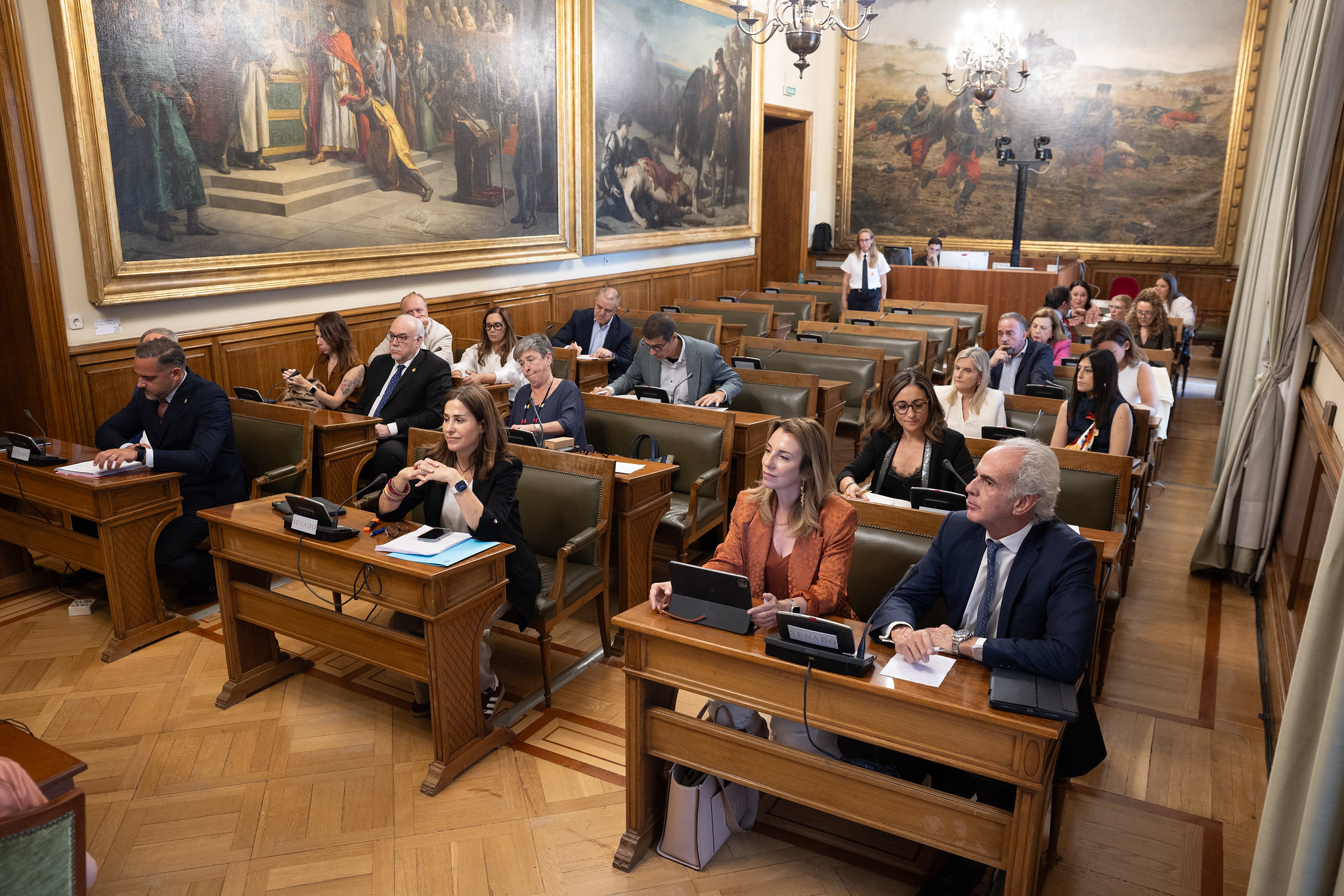
El Senado Urges Prioritizing Suicide Prevention
The Spanish Senate’s recent approval of a comprehensive report on mental health and suicide prevention marks a significant step toward addressing a critical social issue. With a staggering majority of 256 votes in favor and no opposition, the report reveals consensus on the urgent need for coordinated action.
Unveiling a Harrowing Reality
The report stems from two years of extensive research, including 17 sessions and 42 testimonies from a diverse range of stakeholders, including healthcare professionals, grieving families, survivors, and public institutions. The statistics are sobering—approximately 11 suicides occur daily in Spain, highlighting the imperative for intervention.
According to María del Mar San Martín Ibarra, president of the Health Commission, reversing these grim statistics necessitates a comprehensive and coordinated response that transcends merely healthcare solutions. Quoting philosopher Albert Camus, she reminds us of the profound philosophical implications of suicide, emphasizing its preventable nature.
Strategic Recommendations for Prevention
The report outlines pivotal recommendations aimed at enhancing universal, selective, and indicated prevention strategies. It underscores the need for:
- Increased Resources: An immediate call for “ambitious investment” in mental health resources, with a focus on hiring more psychiatrists and psychologists to meet European standards.
- Implementing Lifesaving Protocols: Strategies include a 15% reduction in suicide rates and a commitment to providing psychological attention within 72 hours following a suicide attempt.
Additionally, stakeholders urge the government to align efforts with Sustainable Development Goal 3.4, which aims for a 33% reduction in suicide rates by 2030.
Addressing Stigma and Cultivating Awareness
Senators highlighted the importance of addressing societal stigma surrounding suicide. Carla Delgado Gómez pointed out that behind each statistic lies a narrative of heartbreak and community loss. This societal failure calls for enhanced opportunities and support for vulnerable demographics, particularly the youth and marginalized groups, including transgender individuals facing discrimination.
Nerea Ahedo Ceza urged for a broader public health perspective and emphasized that prevention must involve multidisciplinary efforts that include media responsibility in reshaping narratives about mental health.
Calls for Immediate Action
As the discussions unfolded, it became evident that urgent action is paramount. Alicia García Rodríguez from the Popular Party emphasized the pressing need for more resources, criticizing the government for stagnant investment in mental health. She articulated the sentiment that “those who suffer cannot wait,” advocating for a government that protects and supports vulnerable populations.
Conclusion: A Collective Responsibility
The Senate report on suicide prevention reflects a monumental shift toward a proactive approach to mental health. It illustrates that the challenge of suicide is not merely a medical concern but a societal one that requires collective responsibility. The emphasis on immediate action, increased funding, and community involvement signifies a hopeful path forward, where lives can be saved through decisive and compassionate intervention.
Ultimately, the commitment to these recommendations offers a beacon of hope for a society aiming to break the cycle of silence and stigma associated with mental health issues. Let this be a call to action for everyone to play a part in saving lives and nurturing a healthier, more supportive environment for all.