
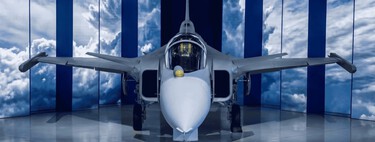
Collapse of the European Fighter Project
Europe aimed to develop a next-generation fighter jet through a collaboration of three nations: France, Germany, and Spain. This initiative was not merely a routine upgrade of aircraft but represented one of the most ambitious goals in European defense for the upcoming decades, targeting the replacement of the French Rafale and the Eurofighter by 2040. However, this dream has encountered a harsh reality: the involved companies have failed to reach a crucial agreement.
The Blow to Collaboration
According to Reuters, the French presidency recently confirmed that France and Germany were no longer capable of continuing with the project. The German government reportedly felt they had exhausted their ability to exert pressure on the companies involved. Discussions between French President Emmanuel Macron and German Chancellor Friedrich Merz led to the sobering conclusion that the program was effectively in stalemate, lacking a feasible path forward.
Industrial Shockwaves
The deadlock stemmed from a fierce clash between two major companies: Dassault Aviation, which is linked to France’s Rafale, and Airbus, representing the interests of both Germany and Spain. The contention revolved around leadership roles, technology sharing, and protection of intellectual property. Dassault sought to maintain a dominant position to retain control over its technological capabilities, while Airbus advocated for a more equitable distribution of responsibilities.
Beyond Just a Fighter Jet
The Future Combat Air System (FCAS) was envisioned as more than a simple replacement for the Rafale and Eurofighter—it aimed to create a comprehensive combat ecosystem. This included a manned aircraft, drones, remote carriers, and an advanced military cloud. The military cloud was intended to ensure secure communication between diverse platforms, encompassing air, naval, land, and space domains. Thus, the implications of this setback extend well beyond the cancellation of a single aircraft; they threaten the very framework enabling Europe to develop its future defense capabilities autonomously.
The Stakes for Spain
Spain, through its involvement with Indra, is particularly affected by this situation. Indra was expected to play a vital role in connectivity, technological integration, and critical technology areas within the FCAS. Airbus’s involvement was also crucial for defending Spanish interests in the project. Therefore, the ongoing deadlock could significantly jeopardize Spain’s aspirations to solidify its industrial influence in one of Europe’s major defense initiatives.
Rising Tensions
As noted by The Guardian, tensions between France and Germany highlight differing military priorities. France’s focus includes capabilities for carrier operations and nuclear weapon integration, diverging from Germany’s perspectives. Chancellor Merz even questioned the necessity of developing a sixth-generation manned fighter for Germany’s air force, further complicating discussions.
What Lies Ahead
The halt in fighter development doesn’t necessarily mean the end of the FCAS initiative. There remain components of the program, such as drones and a secure combat cloud, which could continue independently. A German source mentioned the possibility of maintaining the core elements of FCAS as a system that integrates various aerial and other military platforms. However, the key challenge will be whether this system can thrive without the central aircraft that was envisioned.
Future Uncertain
Originally, the FCAS was poised to become a significant symbol of European defense collaboration for decades to come. Now it stands as a stark test of the limits of this cooperation. With France and Germany having deemed their current approach ineffective, the impact on Spain’s industrial interests is significant. The future of the project remains uncertain, and the coming days will determine what direction FCAS will take.
Images | Airbus