
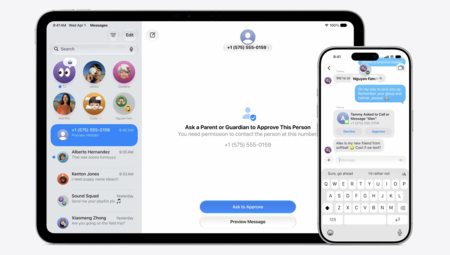
Apple recently showcased significant updates during WWDC 2026, emphasizing its ongoing commitment to privacy and child safety in its latest software, iOS 27. Instead of leading off with the anticipated improvements to Siri or details about macOS, Apple chose to focus on parental controls—indicating a strategic move to target a younger audience, convincing parents first.
Stronger Parental Controls in iOS 27
This shift towards prioritizing child safety aligns with Apple’s ongoing narrative of security and privacy as key selling points. While I don’t have children, the alarming number of stories about online predators and inappropriate content makes this a crucial topic. Children are particularly vulnerable to online dangers that adult users, like myself, might easily navigate around.
Apple has unveiled a robust suite of tools aimed at empowering parents to control both the amount of time their children spend on devices and the nature of their interactions within various apps. As the digital landscape continues to evolve and expand, education remains fundamental; however, tools like parental controls are vital for safeguarding the younger population.
Does a stranger call you? Notify your parents so they can do the appropriate thing.
Enhanced Communication Safety
The new ‘Communication Safety’ feature provides a layer of protection by blurring potentially inappropriate images and videos, such as nudity, and enhances the identification of violent content. Craig Federighi, Apple’s head of software engineering, stated that these tools are designed to grant parents “powerful, easy-to-use tools” for managing what their children can access.
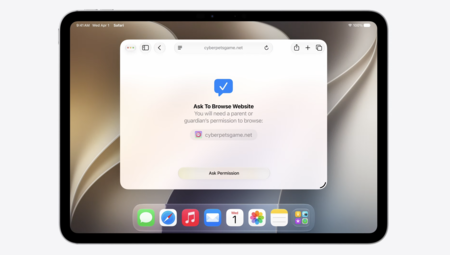
Do you want to enter a new site that is not authorized? Ask permission, and a notification will appear on your parent’s device.
Compliance with Health Guidelines
Apple maintains adherence to the American Academy of Pediatrics’ guidelines, which recommend that children under 13 should not have access to social media apps. The ease of use of these parental tools marks a significant step forward compared to other operating systems, which often hide similar options in cumbersome menus.
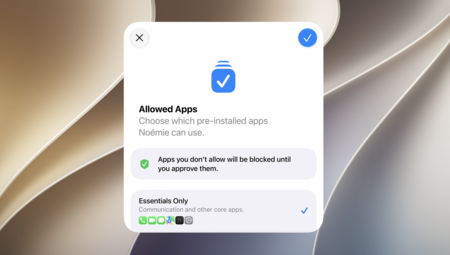
Notice to know at a glance the approved apps.
Engaging a New Audience
This functionality not only stands to protect children but also serves as a compelling argument for parents considering purchasing their child’s first smartphone. With concerns about safety on the rise, parents may be more inclined to select an iPhone as the family’s trusted device for connectivity.
While other companies already offer parental controls, Apple’s unique position allows them to leverage major launch events to promote these features, effectively targeting a new demographic of young users. By showcasing their commitment to providing a secure platform, they are likely to capture a larger share of the smartphone market occupied by children.
In conclusion, with iOS 27, Apple is making substantial strides in child safety features. Their focus on parental controls not only enhances security for minors but also positions Apple favorably among families navigating the digital age.