
Siri AI: A Transformative Step for Apple’s Assistant
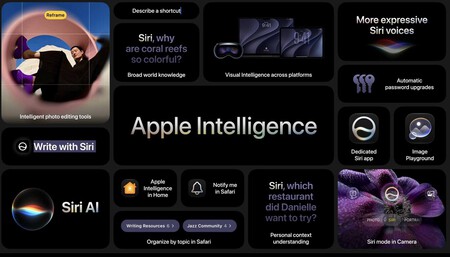
At WWDC 2026, Apple unveiled Siri AI, showcasing ambitious advancements in its voice assistant. This version now boasts the ability to engage in fluid conversations, navigate the user’s emails and photos, and even interact within third-party applications. These enhancements are designed to elevate user experience, aligning Apple’s technology with modern expectations.
Delay for European Users
Despite the excitement surrounding Siri AI, European users will be left without this update, at least initially. Ongoing clashes between Apple and the European Commission have prevented an agreement from being reached, leaving iPhone and iPad users in the EU without access to this advanced version of Siri.
What EU Users Are Missing Out On
The advancements introduced with Siri AI are significant. The assistant can now track past messages, draft emails, and comprehend screen content. Additional capabilities include the integration of Visual Intelligence on devices such as the Mac and iPad, allowing users to query anything displayed on their screens. However, these features will not be available in iOS 27 or iPadOS 27 within the European Union, where users will continue using the existing version of Siri.
Understanding the Conflict: The Digital Markets Act (DMA)
The root of this issue lies in the Digital Markets Act (DMA), which mandates that companies like Apple open their ecosystems to competition. The European Commission designated Apple as a “gatekeeper” for iOS, the App Store, and Safari, establishing regulations to ensure fair competition. Apple contends that complying with these regulations would require offering third-party AI systems unrestricted access to user devices, compromising user privacy and security.
Apple’s Response to Regulatory Challenges
In response, Apple proposed a solution named the Trusted System Agent, an intermediary to grant third-party assistants access without compromising user safety. However, the European Commission rejected this proposal, asserting that it did not meet regulatory standards. Craig Federighi, Apple’s Senior Vice President of Software Engineering, expressed disappointment regarding the inability of European users to access Siri AI, acknowledging the regulatory stalemate and the absence of a clear timeline for resolution.
Broader Implications and Context
This situation is not an isolated incident; clashes between Apple and the EU regarding the DMA have occurred before. In fact, Apple previously aligned with Google against certain proposals by the Commission, arguing that access for third-party AI systems could pose significant risks to user data security.
Awaiting Resolution
As of now, European users will continue with the standard Siri experience while the rest of the world embraces the new capabilities introduced with Siri AI. With no imminent resolution in sight, this ongoing regulatory battle raises critical questions about user choice, innovation, and data security within the rapidly evolving landscape of digital services.
Conclusion: The Future of Siri AI in Europe
The future of Siri AI in the European Union remains uncertain. As Apple seeks a way to navigate the DMA regulations, users await clarity on when—if ever—they will receive the latest advancements. The outcome of this conflict will significantly influence how tech giants adapt to regulatory environments while balancing user expectations and competitive pressures in the global market.