
Iran’s Unique Challenges at the 2026 World Cup
The 2026 World Cup promises to be an unprecedented event, but the Iranian national team’s participation is marred by significant travel constraints. The Iranian players will be obligated to enter and exit the United States on the same day of their matches due to stringent visa regulations enforced by Washington. This situation introduces a complex layer of logistical challenges as the team prepares for this international soccer stage.
Visa Restrictions Underline the Complicated Travel Scenario
According to statements made by Abolfazl Pasandideh, the Iranian ambassador to Mexico, the travel restrictions for the Iranian team are particularly tight. The players are only permitted entry into the U.S. for their scheduled matches in the morning, with an enforced exit the same day. This limitation comes as a result of the ongoing political tensions and stringent visa policies between Iran and the United States.
“We can enter in the morning and we have to leave the same day,” Pasandideh noted. This restriction could have serious implications for the team’s performance, as they will lack the benefits of overnight stays, including rest and recovery, which are crucial for athletes during a high-stakes tournament.
Logistical Constraints Impact Team Preparation
Iran’s base camp is located in Tijuana, Mexico, which further complicates the logistics of their participation. The necessity to manage multiple trips across the border creates a heavy logistical burden on the Iranian staff and players alike.
Traveling to the U.S. for matches will not only add stress but will also disrupt their preparation routine. Quick turnarounds may prevent the team from adequately acclimatizing to game conditions. With the added pressure of travel, the team must ensure that it maintains peak physical readiness while also managing the mental strain of constant travel.
Implications for Team Morale and Performance
The unique travel requirements could also affect team morale. Having to rush in and out of the U.S. on game days might lead to feelings of frustration among players, potentially impacting their focus and performance on the field. Soccer is not merely a physical contest; psychological readiness plays an essential role in determining outcomes.
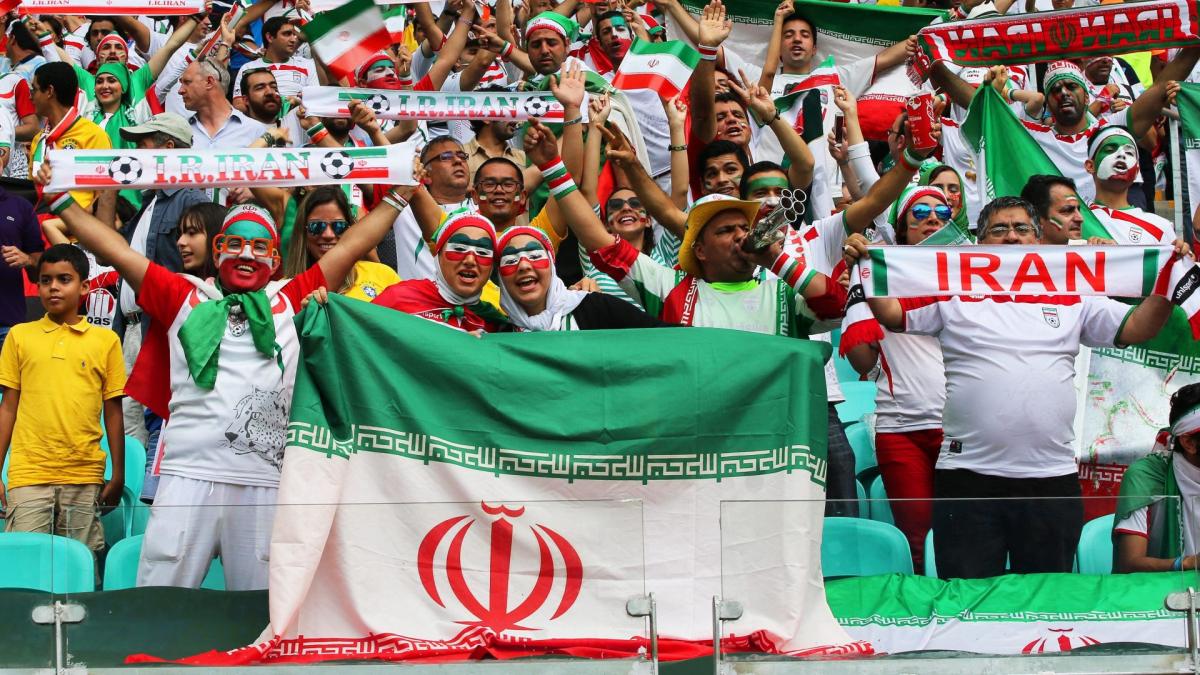
Iran has a passionate soccer following back home, and the expectations from fans can add extra pressure. Balancing these demands while dealing with travel constraints could be a daunting task for the Iranian squad.
Conclusion: A Unique Challenge in a Historical Context
As the World Cup approaches, Iran’s situation serves as a reminder of the complexities that resonate beyond the sport itself. The logistical challenges faced by the Iranian team encapsulate broader political narratives and will likely impact the narrative of their World Cup journey.
As teams gear up for one of the most prestigious tournaments in the world, Iran’s experience offers a unique glimpse into how external factors can influence the sporting event landscape. The 2026 World Cup might showcase elite soccer talent, but for the Iranian national team, it also highlights resilience in the face of stringent challenges.