
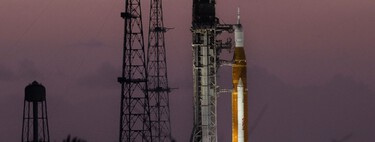
The AMOS-6 Incident: A Similarity in Catastrophe
On September 1, 2016, SpaceX prepared to launch its Falcon 9 rocket, carrying the AMOS-6 satellite. Unfortunately, an unexpected malfunction led to a catastrophic explosion on the launch pad. Fast forward to May 28, 2026, when Blue Origin attempted a static firing test of its New Glenn rocket, which also ended in disaster, obliterating the launch facility.
The parallels between these two incidents highlight the inherent risks involved in space exploration, even for well-funded companies like SpaceX and Blue Origin. Immense amounts of resources are invested in these endeavors, but even the best-laid plans can falter.
The Predictions for Blue Origin
Following the explosion, Blue Origin’s leadership claimed that the New Glenn rocket would launch before the end of the year. However, experts—including former SpaceX engineers—consider this timeline overly optimistic. Since repairing a damaged launch pad involves extensive work, estimates for its completion range between 12 to 18 months. Without a functioning platform, launching a rocket is impossible.
Insights from SpaceX Veterans
In an informative interview conducted by Ars Technica, several ex-SpaceX engineers remarked on the complexities involved in such repairs. The damage sustained during the AMOS-6 incident took weeks of investigation and recovery, which greatly delayed reconstruction efforts. They cited that full access to the launch pad was only granted four months later, further complicating potential timelines for Blue Origin’s New Glenn.
Hans Koenigsmann’s Perspective
Hans Koenigsmann, former vice president of construction and flight reliability at SpaceX, is particularly aware of the slow and complex processes involved in recovering from such incidents. He noted, “My AMOS-6 scar started itching when I saw the New Glenn video,” signaling his understanding of the meticulousness required for recovery and the emotional toll such events take on engineers and teams.
His tenure during the AMOS-6 recovery involved countless hours of searching for broken rocket pieces and launch pad remnants. The successful rescue of fragments depended on drones and underwater robots, showcasing the challenges faced in post-explosion assessments.
The Complexity of Launch Pads
Launch platforms are intricate constructions composed of highly durable steel towers and heavily reinforced concrete foundations. Additional systems—such as extensive electrical setups and intricate piping for propellants and cooling liquids—further emphasize the technical challenges of repairs. Trip Harriss, another former SpaceX engineer, pointed out that fixing these elaborate systems can add significant delays after an incident.
NASA’s Role in Blue Origin’s Recovery
Koenigsmann has stressed the importance of transparency between Blue Origin and NASA during this critical time. The U.S. space agency has significant stakes in both Blue Origin and SpaceX, particularly regarding future moon missions under the Artemis program. With these missions relying on both companies, NASA’s support and assurance can provide a lifeline for Blue Origin as they navigate this setback.
Although NASA has indicated they are not seeking alternatives and have committed to supporting Blue Origin, the clock is ticking. Any further delays could impact the Artemis program timeline.
Hope Amidst Challenges
Former NASA engineer John Muratore, who oversaw the Falcon 9 launch in 2016, highlighted the potential for positive outcomes. Blue Origin has the opportunity to learn from this setback, redesign their launch pad, and make subsequent improvements. Nonetheless, the company must manage expectations regarding timelines, as industry experts doubt the feasibility of a launch within the year.
In the unpredictable realm of space exploration, optimism can serve as a critical motivator. Companies like SpaceX and Blue Origin remind us of the unwavering human spirit toward discovery, even in the face of monumental challenges.