
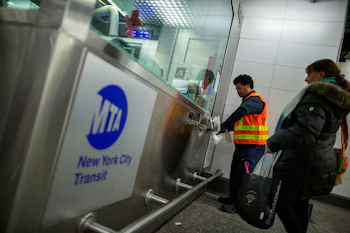
MTA’s AI Initiative for Subway Safety
The Metropolitan Transportation Authority (MTA) of New York is making significant strides in enhancing subway safety through the implementation of an artificial intelligence (AI)-based intrusion detection system. This innovative technology aims to mitigate risks and reduce delays caused by unauthorized individuals or objects on subway tracks.
Understanding the Problem
According to reports, incidents on subway tracks caused approximately 6% of system delays in 2025. These interruptions stem from unauthorized entries, including transient individuals, debris, and even wildlife, which have become a pressing issue within the subway system. The MTA recorded 1,297 unauthorized entries in 2025, marking a 22% increase from 2019.
Consequences of Intrusions
These unauthorized access incidences are not just safety concerns but also significantly impact the regularity of train service. Delays attributable to human or foreign presence can disrupt the overall commuter experience, highlighting the pressing need for technological solutions that can proactively manage such scenarios.
The Solution: AI-Based Detection System
In April 2026, the MTA announced plans to develop and test an AI-based intrusion detection system capable of distinguishing between benign and dangerous intrusions. This system aims to identify individuals and objects that fall above a certain size, whether their entry is intentional or accidental. Moreover, it is expected to recognize suspicious behaviors, such as erratic movements near the platform’s edge.
Goals of the AI System
The primary goal of the AI system is to allow rapid alerts to train drivers and control center personnel, enabling swift interventions. The project is estimated to cost between $10 million and $50 million and will be evaluated over two years in both underground and elevated settings.
Challenges in Implementation
While the initiative symbolizes a leap forward, it does face operational and ethical challenges. Concerns about surveillance and the responsible use of AI have been raised by civil organizations. Transparency and accountability are deemed crucial as the MTA expands its network of cameras and AI systems.
Potential for False Alarms
There are also practical concerns regarding the technology’s reliability. Celeste Kirkland from the Transportation Workers Union Local 100 emphasized the necessity for systems to adapt to the intricacies of a subway network established in 1904. Issues like poor lighting, water leaks, and the presence of animals could result in false alerts, complicating the management of the subway system.
Future Outlook
The MTA’s move to integrate AI into its operations is part of a broader system modernization plan which also includes the implementation of contactless payment systems and upgraded turnstiles. Jamie Torres-Springer, president of MTA Construction & Development, acknowledged the challenge of modernizing an aging system while promising that contracts for the AI project would be awarded soon.
As the MTA forges ahead with its AI initiatives, pilot programs will be complemented by other measures, such as the installation of steel barriers at over 100 stations to curb unwanted access.
Conclusion
The incorporation of AI technologies into the MTA’s operations represents a long-term vision for a safer and more efficient subway system. As these technologies are tested and refined, stakeholders hope to build a more secure environment for commuters and address the pressing issues of unauthorized accesses and related delays. The journey toward implementing AI within the transit system could redefine future urban transport initiatives across the globe.