
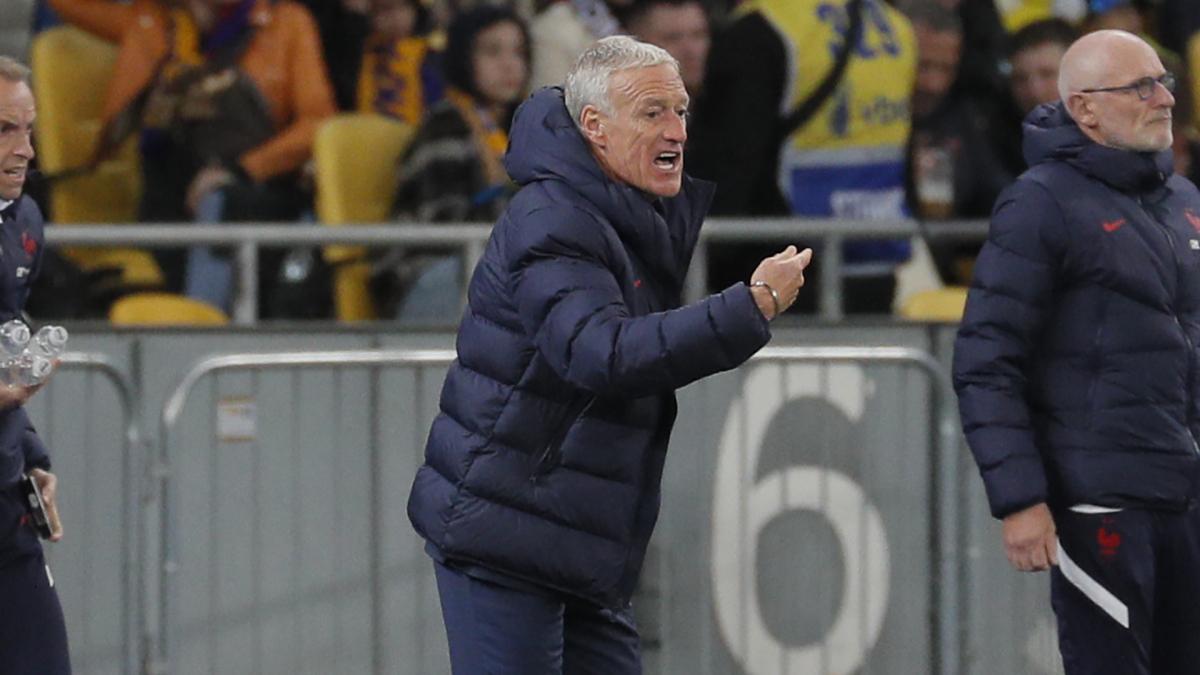
Didier Deschamps and the 2026 World Cup
As the countdown to the 2026 World Cup begins, Didier Deschamps stands at a pivotal moment in his coaching career. After 14 years leading the French national team, the 57-year-old coach is preparing for what could be his last tournament at the helm, hoping to secure a third World Cup title for France, and a second as a head coach.
Current Favorites: France and Beyond
In a recent interview with La Gazzetta dello Sport, Deschamps shared his insights on the teams considered favorites for the tournament. While he acknowledges France’s strong position, he emphasizes the unpredictability of the competition.
“Favorite France? One of the favorites. But the word ‘favorite’ is not taboo,” Deschamps noted, highlighting the legitimacy of France’s status.
He asserts that this reputation is backed by their historical performance, player quality, and consistent FIFA ranking—where France has remained among the top three since 2018. However, he cautions against taking success for granted.
The Challenges Ahead
Deschamps is keenly aware of the challenges that lie ahead. Reflecting on past experiences, he recounts the disappointment of the Euro match against Switzerland, emphasizing that ambition alone does not guarantee success.
“There will be difficult times during the World Cup,” he warns, reinforcing the notion that each match will present unique obstacles.
The competitive nature of the tournament means that no team can afford to underestimate its rivals.
Other Contenders
Beyond the French squad, Deschamps identifies several other national teams that are strong contenders for the World Cup title:
- Spain: Under the management of Luis de la Fuente, Spain has revamped its play, introducing greater speed to its ball possession.
- Germany: Renowned for their footballing prowess, Germany remains a formidable opponent due to their depth of talented players.
- England: Deschamps expresses admiration for England, particularly under the guidance of Thomas Tuchel.
- Portugal: Often overlooked, Portugal has the potential to make a significant impact.
- Argentina and Brazil: Both nations carry a rich footballing history and are always in the conversation for World Cup supremacy.
- Morocco: Impressively progressing in international football, Morocco represents an emerging force that should not be underestimated.
Conclusion
As the 2026 World Cup approaches, Didier Deschamps’ leadership and insights will be crucial for France’s aspirations. While the team is certainly seen as one of the favorites, the landscape of international football is ever-changing, with numerous nations poised to challenge for the trophy. The excitement builds as fans and teams alike prepare for a tournament filled with passion, competition, and unexpected outcomes.