
New York’s Transit Strategy for the 2026 World Cup
New York City is set to implement special transit restrictions in midtown beginning in June during the match days of the 2026 World Cup. This initiative aims to manage the influx of thousands of visitors traveling towards MetLife Stadium in New Jersey. The plan includes the establishment of exclusive bus corridors, the expansion of pedestrian zones, and enhanced signage in pivotal areas like Penn Station and Times Square.
The Importance of Midtown Corridor
This new transportation strategy centers around the Midtown corridor, as this area will serve as a logistical hub for visitors arriving from various hotels, subway stations, and train services. According to NYC Tourism + Conventions, public transport is the primary suggested mode of travel for fans heading to the games, and Midtown is a crucial connection point to New Jersey.
Goals of the Transit Changes
The planned changes are some of the most prominent shifts in urban mobility related to the tournament. The goal is to alleviate congestion in one of Manhattan’s busiest areas while ensuring that daily routines for local residents and businesses remain largely uninterrupted.
Even though the matches will take place in New Jersey, the movement of tourists will predominantly traverse through Midtown. For many, the journey will commence in Manhattan and proceed via special buses or trains to reach MetLife Stadium.
Penn Station as a Key Hub
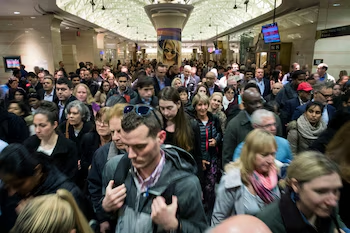
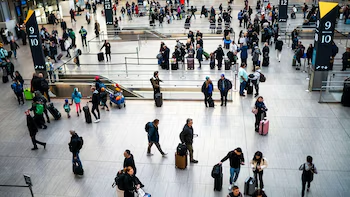
Penn Station will be vital in the overall strategy. With multiple transportation options converging there—including NJ Transit, Long Island Rail Road, Amtrak, and subway lines— it is anticipated that a significant amount of the fan flow to New Jersey will route through this area.
Efforts will focus on preventing bottlenecks at pedestrian exits, intersections, bus accesses, platforms, and waiting areas. Enhanced orientation materials and instructions will be provided for tournament travelers to streamline their experience.
Enhancing Bus Corridors
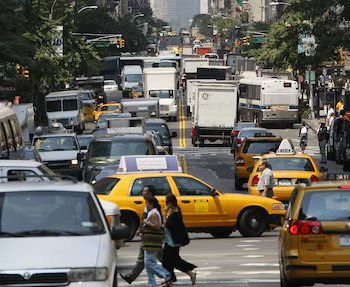
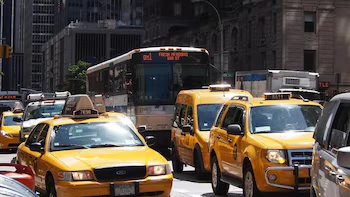
A critical aspect of the plan includes the enhancement of exclusive bus corridors in Midtown West and near Penn Station. The NYC Department of Transportation has already begun reinforcing the use of busways to facilitate smoother traffic. This strategy will continue during the World Cup to better accommodate tourists and minimize delays.
These corridors will cater to special services, tourist buses, and group transportation, ensuring that heavy volumes of movement remain distinct from general traffic.
Expanding Pedestrian Spaces
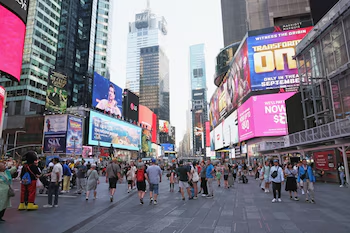
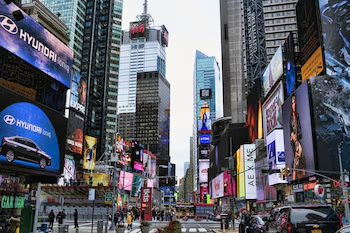
The second phase includes expanding pedestrian areas in high-traffic locations such as Times Square, Herald Square, and the Broadway corridors. These adjustments aim to alleviate the pressure of visitor crowds and improve the organization of pedestrian flow.
As noted by the Times Square Alliance and the NYC DOT, previous projects have established permanent pedestrian plazas which will now serve as a foundation to enhance operations during the tournament weeks.
Objective and Impact on Local Businesses
The urban modifications aim to create less space for vehicles and more room for pedestrians. This transition will not only shape visitors’ first experiences of the World Cup but also enhance overall crowd management in critical areas.
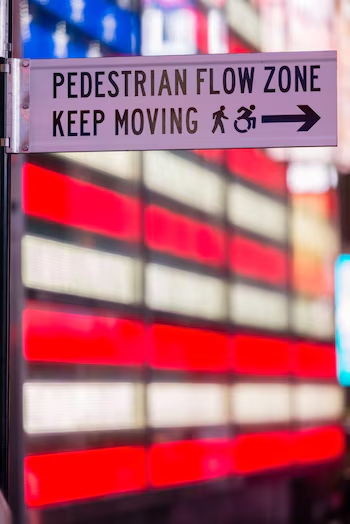
The strategy involves integrating temporary signage and helpful information points, particularly useful for the many international visitors venturing into one of Manhattan’s most vibrant regions for the first time.
Conclusion
The changes introduced during the 2026 World Cup will significantly affect operations for local hotels, restaurants, and shops. Expectations are high for increased pedestrian traffic; however, businesses must also prepare for closed streets and altered transit patterns, similar to the high-intensity dynamics seen during past large-city events.
Unlike single-day events, the World Cup will present weeks of continuous activity, with global visitors traversing the same routes daily. Therefore, from June onward, expect visible transformations in signage, street organization, and public orientation. The city aims to maintain Manhattan’s vibrancy while effectively managing this unprecedented influx of visitors.