
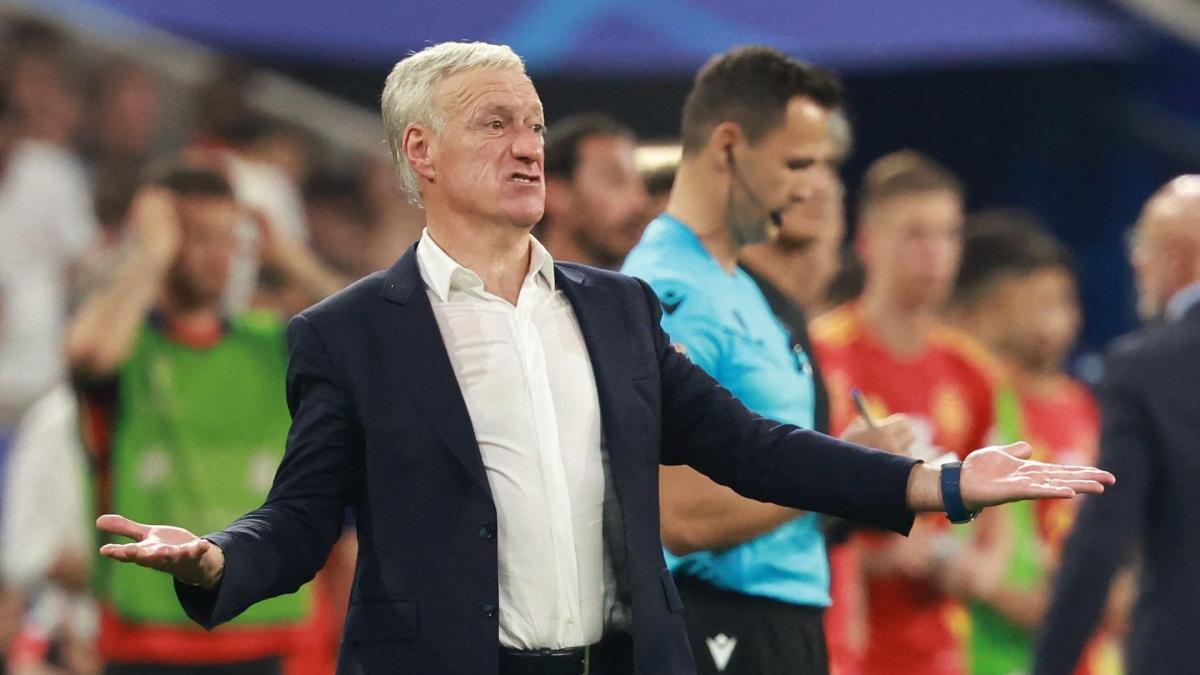
Didier Deschamps: Evolution From 2012 to 2026
Didier Deschamps is set to embark on his seventh and final international competition as head coach of the French national team during this World Cup. Acknowledged as one of the favorites alongside Spain, England, and Argentina, Deschamps reflects deeply on his transformative journey since taking the reins of “Les Bleus.”
Embracing Change: A Coach’s Reflection
In an interview with Kicker, Deschamps shared his insights regarding his evolution both personally and as a coach. He emphasizes the necessity of adapting to the modern game and the dynamic roster of players available. “I no longer approach things the same way as I did then,” Deschamps stated, illustrating a shift in his coaching philosophy.
This adaptability has become paramount in today’s football landscape, as player management now demands a nuanced understanding of emotional intelligence and team dynamics. Deschamps recalls his earlier days, noting a more controlled and reserved approach to communication. He acknowledges, “I was more in control at the beginning, which suited me naturally.”
The Shift Towards a Collaborative Environment
One significant change under Deschamps’ tenure is his focus on fostering a closer relationship with players. Modern athletes often seek more support and encouragement. Deschamps notes, “This generation needs more closeness and support.” This underscores a profound understanding of player psychology, showcasing his commitment to developing a cohesive and motivated team ethos.
To facilitate this environment, Deschamps has increased the time devoted to discussions with his coaching staff and players alike. This collaborative model not only empowers athletes but also enhances team chemistry—crucial components for any successful campaign.
An Adaptive Leadership Style
When questioned about whether he has become more lenient over the years, Deschamps offers a thoughtful perspective: “I think I always have been. But I’m certainly less strict than before.” This acknowledgment of a more adaptive leadership style reflects his growth as a mentor. Striking a balance between authority and approachability is essential in contemporary football and has undoubtedly contributed to the success of the French team under his guidance.
Looking Ahead: The Future of Les Bleus
As Deschamps approaches the conclusion of his international coaching journey, the lessons learned over the past years will undoubtedly resonate in the future. His evolution is not merely about strategy on the pitch but also encompasses an understanding of the intricate dynamics within the squad.
Deschamps’ legacy will be characterized by his ability to adapt and grow alongside his players, laying a foundation for future success. As the World Cup unfolds, all eyes will be on how this blend of experience and evolved philosophy will influence France’s performance on the global stage.
In conclusion, Didier Deschamps exemplifies the idea that great coaches must not only lead but also listen and learn. His journey from 2012 to 2026 serves as a case study for future generations, emphasizing that adaptability in leadership can yield remarkable results in the ever-evolving world of football.