
The Defense of Morchón’s Widow and Daughters: Imbalanced Evidence in a Controversial Case
Overview of the Case
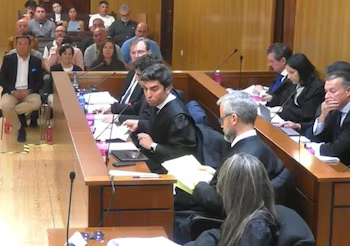
The prosecution of twenty individuals, including the widow and two daughters of Ignacio Morchón Alonso—a prominent figure behind the El Salvador-Funeraria Castellana group—centers around the notorious ‘coffin case’. This complex scenario not only raises questions about corporate governance but also highlights the precarious intersection of justice and extraneous claims. The defense has consistently argued for the acquittal of their clients, suggesting that although the facts surrounding the case may be evident, the requisite authorship remains unproven.
Defense Arguments: Missing Authorship
The defense attorney for the Morchón family contends that there is a significant gap in establishing authorship, despite the prosecutor’s assertion that the facts are substantiated. The lawyer posits that the evidence presented was largely fabricated by Justo M., a figure allegedly implicated in extortion attempts against the Morchón family. This line of defense seeks to exonerate the widow, María del Rosario VL, and her daughters, Laura and Rosario (nicknamed ‘Rosi’), from any culpability linked to the criminal organization and money laundering charges they currently face.
The Role of the Accused
The delineation of roles within the company has been emphasized by the defense. The defense underscores that, following the death of Ignacio Morchón, his widow and daughters were merely figurative administrators and held no substantial control over the operations of the funeral home. María del Rosario VL’s role was circumscribed to that of an administrative figure, while ‘Rosi’ was falsely implicated in accounting roles and limited to client billing tasks. Laura’s situation is similarly convoluted, as she faces potential sentences of up to 20 years despite claims that she served primarily in a role related to public relations due to her educational background in journalism.
Credibility of Witness Testimonies
One critical aspect of the defense’s case is the skepticism directed towards the testimonies of numerous witnesses who have provided statements throughout the trial. The defense has classified these as “prepared” statements, alleging that many details shared were inconsistent with credible memories. There are claims that specific recollections, such as actions taken during the cremation process, have been structured to support accusations based on preconceived biases towards the defendants. This reconstructed memory, the defense argues, should be viewed with a critical lens, particularly given the emotional and hostile narratives presented by the witnesses against the Morchón family.
Procedural Concerns
The defense has also raised issues concerning procedural fairness, undershooting the legitimacy of the collection of evidence, including searches and phone taps, which they claim violated the rights of the defendants. They assert that the unfolding of events is muddied by a previous extortion investigation involving Justo M., which inadvertently implicated the Morchón family in serious criminal activities. The defense argues that none of the twenty-plus accused parties have accepted plea deals, suggesting a widespread denial of guilt when faced with a legal scenario that seemingly offers no advantageous agreements prior to the trial.
Conclusion: Implications of the Case
The trial of Morchón’s widow and daughters encapsulates a broader struggle between evidence and interpretation in legal proceedings. As the court weighs the merits of the defense’s claims, it must grapple with the tension between established facts and the attribution of responsibility, a vital distinction in cases where the reputations and futures of individuals hang in the balance. The outcome will not only profoundly affect those directly involved but may also set significant precedents for how corporate governance and personal accountability are navigated in the legal landscape.