
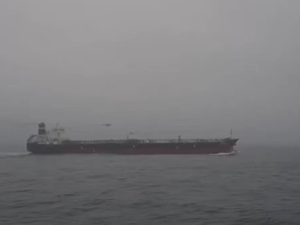
## Incident Overview: The Boarding of the “Tagor”
On May 31, the French Navy boarded the “Tagor,” an oil tanker suspected of evading sanctions against Russia, off the coast of Brittany. This action unfolded amid rising tensions surrounding maritime regulations and compliance with international sanctions aimed at crippling Russia’s ability to finance its ongoing conflict in Ukraine. Following the incident, a criminal investigation was launched by the Brest prosecutor’s office due to the captain’s refusal to comply with naval instructions.
## Non-Compliance and Legal Actions
The investigation highlighted that the captain of the “Tagor,” identifying himself as a Russian national, defied multiple directives from the French Navy. The Brest prosecutor stated that the vessel’s compliance was crucial, leading to the decision to take control of the ship forcibly. Legal proceedings now include charges related to “failure to justify the nationality of a ship,” known as a “flag fault,” alongside the refusal to comply with law enforcement.
### Details of the Criminal Investigation
According to Brest prosecutor Stéphane Kellenberger, the incident has triggered significant legal actions under European sanctions. The ship, suspected of flying a false flag to disguise its origins and bypass sanctions, raised alarms within French authorities. Kellenberger emphasized that evasion of international regulations would not be tolerated.
## Response from French Authorities
French President Emmanuel Macron condemned the actions of the “Tagor” and expressed a firm stance against any attempts to circumvent international sanctions. Macron asserted the need for strong enforcement, stating, “It is unacceptable that ships circumvent international sanctions, violate the law of the sea, and finance the war that Russia has been waging against Ukraine for more than four years.” Such declarations reflect a commitment to maintaining maritime law integrity and international cooperation.
## Kremlin’s Reaction: Denouncing Piracy
In a swift response to the incident, the Kremlin labeled the boarding of the “Tagor” as an act of piracy. Kremlin spokesperson Dmitry Peskov indicated that Russia would undertake measures to ensure the security of maritime transportation in reaction to this unilateral action by the French Navy. This highlights the tense geopolitical atmosphere and the potential for escalating conflict over maritime rights and regulations.
### Diplomatic Implications
Furthermore, the Russian embassy in Paris sought clarification regarding the situation of its nationals aboard the seized tanker. This diplomatic inquiry underscores the sensitivities involved, as the incident may complicate international relations amid already heightened tensions over the Ukraine crisis.
## Conclusion: A Reflection on International Maritime Law
The boarding of the “Tagor” underscores significant issues pertinent to international maritime law and the enforcement of sanctions. As nations navigate the complex waters of geopolitical strife, incidents like this raise questions about the extent of sovereignty at sea and the legality of state interventions. With both French and Russian authorities engrossed in this case, the ramifications will likely reverberate through diplomatic channels, impacting future maritime operations in the Atlantic and beyond.