
## Zaragoza’s Hidden Geothermal Treasure
It lies eleven meters beneath the asphalt, an unnoticed yet pivotal energy source. A stable layer of underground water in Zaragoza remains at 18 °C throughout the year, acting as a natural heating and cooling system for buildings. While residents discuss soaring electricity bills, this geothermal resource has efficiently been in use for almost three decades.
### A Revolutionary Resource
Recently, Zaragoza has re-entered the spotlight as a European leader in urban geothermal energy. This recognition coincides with the launch of a groundbreaking management method called THERMAL. Developed by the Advanced Hydrogeological and Geothermal Systems Group (SHGA) of the Geological and Mining Institute of Spain (IGME-CSIC), THERMAL optimizes existing heat pumps, producing significant cost savings without the need for new drilling. On average, each installation can save over €7,500 annually while reducing CO₂ emissions by almost 15 tons.
### Why Zaragoza?
The geographic and hydrogeological characteristics of Zaragoza make it an ideal setting for geothermal exploitation. Beneath the city lies the Ebro Alluvial aquifer— a massive underground reservoir, 20 to 30 meters thick, closely connected to the Ebro River. This aquifer serves as a natural thermostat, regulating temperatures effectively.
The consistent 18 °C groundwater offers a stark contrast to external temperature variations, ranging from 35 °C in summer to as low as 2 °C in winter. This stable temperature is crucial for the optimal efficiency of geothermal heat pumps.
### How Does It Work?
Understanding this system is easier when compared to a traditional refrigerator. Instead of generating cold air, both refrigerators and geothermal heat pumps transport heat. In winter, the system draws in 18 °C water, extracts heat to warm buildings, and reinjects the cooler water back into the aquifer. In summer, the process reverses, where heat is expelled into the cooler underground reservoir. This method enhances energy efficiency compared to aerothermal systems, which require overcoming significantly larger temperature gaps.
### Three Decades of Growth
Over the past thirty years, Zaragoza has witnessed the establishment of approximately 60 large geothermal installations. These systems primarily serve public buildings, amounting to about 110 thermal megawatts of cooling power— enough to air-condition over 15,000 homes. Notable examples include the City Council’s Zero Emissions Building and the Saica paper mill, both of which have significantly benefitted from this geothermal resource.
### Challenges and Innovations
While Zaragoza’s geothermal system is commendable, challenges exist. With numerous installations drawing and reinjecting water, there is the risk of interference, leading to decreased efficiency. The THERMAL method aims to mitigate this by optimizing flow rates and temperatures among different heat pumps. Future enhancements may include artificial intelligence to anticipate energy demands and environmental changes.
### A Model for the Future
Other cities can look to Zaragoza as a model for urban geothermal management. Global benchmarks include Paris, which uses the Dogger aquifer for expansive underground air conditioning, and Vantaa, Finland, developing the world’s largest seasonal thermal storage system.
In Spain, Mieres serves as another example. Here, an abandoned coal mine has been transformed into the country’s largest geothermal network, showcasing a successful transition from polluting resources to sustainable energy solutions.
### Overcoming Perceptions
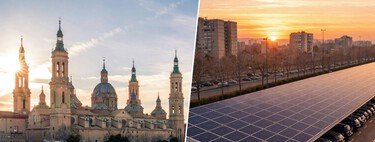
Despite its success, geothermal energy faces a significant marketing challenge: its invisibility. Unlike solar panels or wind turbines, geothermal systems lack a visual presence. Additionally, while the initial investment may deter some, experts suggest these systems recover costs within five to eight years, thanks to ongoing savings.
### Conclusion
The story of Zaragoza’s underground aquifer is both remarkable and paradoxical. For three decades, an invaluable resource has functioned discreetly, impacting public health and sustainability. As Zaragoza demonstrates the potential of harnessing natural systems beneath our feet, the question for the rest of Spain becomes clear: why not look down and embrace this invisible energy source?