
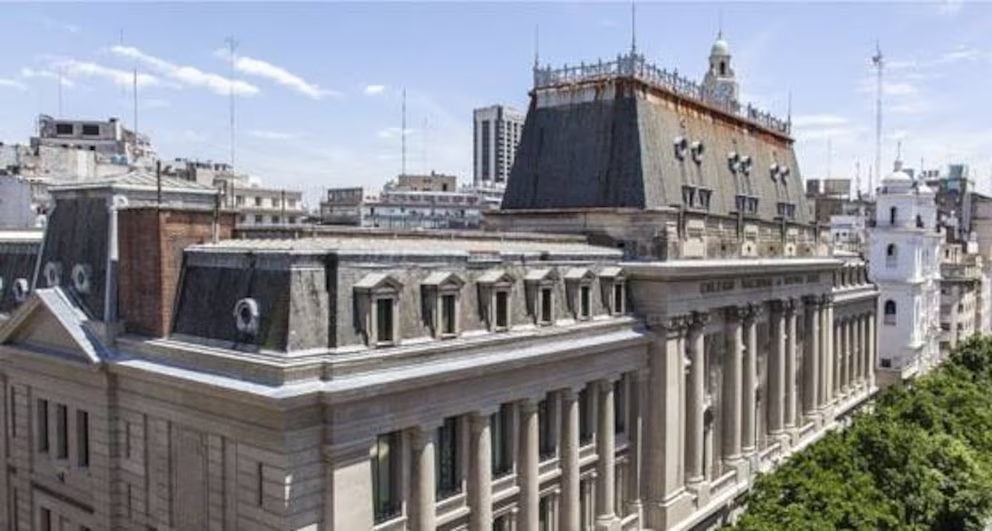
The National School of Buenos Aires Resumes Occupation Amid Safety Measures
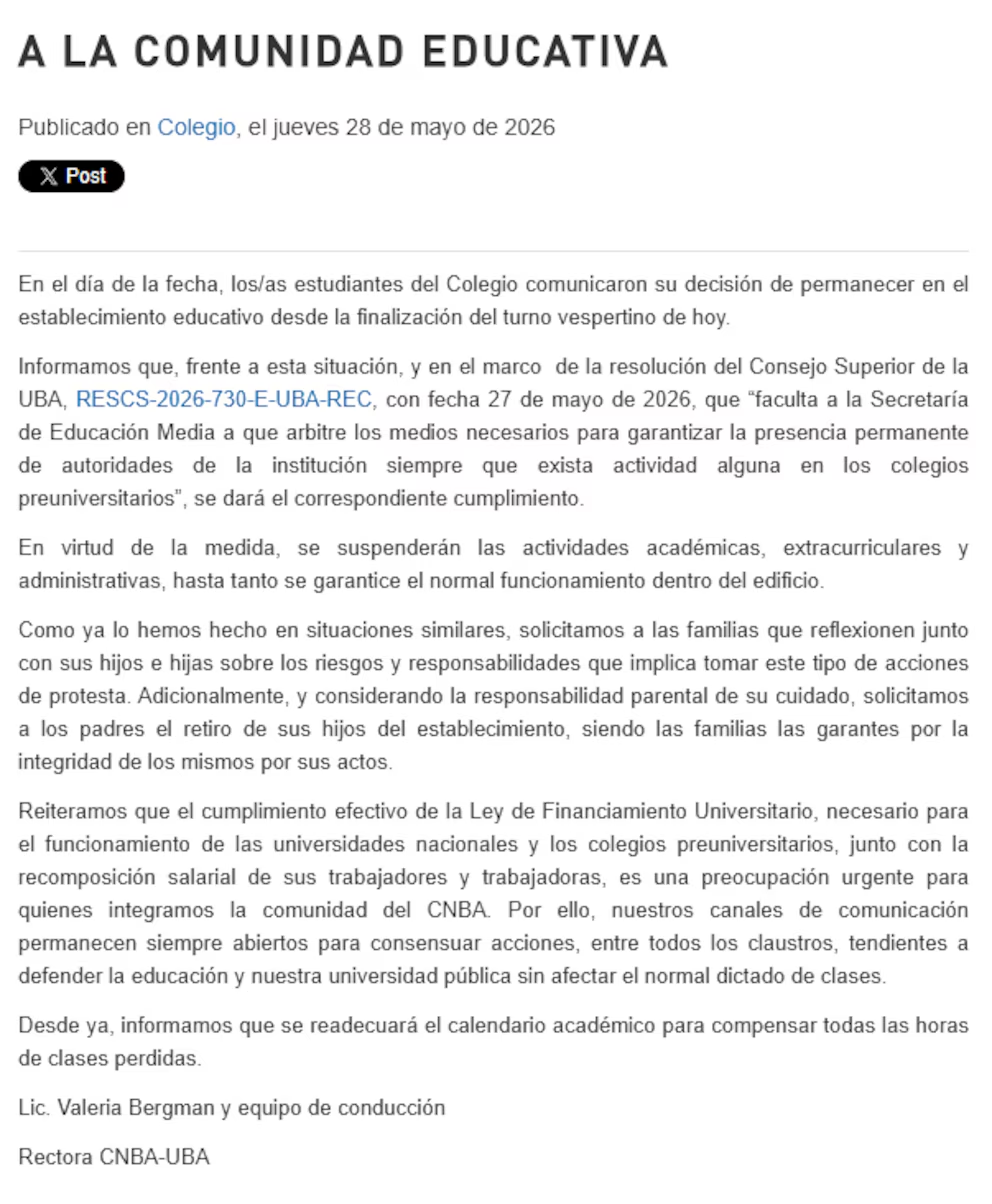
After initially lifting their protest, students from the National College of Buenos Aires (CNBA) have resumed their occupation of the school. This decision was made shortly after the University of Buenos Aires (UBA) announced new regulations aimed at ensuring student safety during such protests.
Safety Measures Introduced
The rector of CNBA, Valeria Bergman, highlighted the university’s commitment to safety by ensuring faculty presence on-site while students occupy the building. This measure is crucial, particularly outside of class hours, to safeguard students during their protests.
In line with the resolution “RESCS-2026-730-E-UBA-REC”, which was published recently, UBA officials have empowered the Secretariat of Secondary Education to implement necessary actions that guarantee institutional authorities’ presence during school activities.
Suspension of Academic Activities
As a result of the latest occupation, all academic, extracurricular, and administrative activities at CNBA will be suspended until normal operations can be restored. The rector reiterated the importance of reflecting on the risks associated with such protests and encouraged parents to ensure their children’s safe return home.
Impact on the Academic Calendar
In response to the ongoing situation, UBA has announced modifications to the academic calendar to compensate for lost class days. The communication with faculty will remain open to facilitate actions that defend public education without disrupting regular class operations.
Broader Context: University Financing Law
The occupation is part of a broader protest against the delayed implementation of the University Financing Law, initially enacted in October 2025. The law’s application has been suspended, and the current government is promoting an alternative project that raises concerns among students and teachers alike.
Salary Inequities and Teacher Concerns
Former rector Gustavo Zorzoli criticized the dramatic pay cuts for teachers in pre-university institutions, who now earn 30% less than their counterparts in other educational settings. This situation has led to a disturbing trend of teachers leaving for better-paying private sector jobs.
Labor Actions and Strikes
In solidarity with the protest, the Federation of University Teachers (FEDUN) has called for a 24-hour strike demanding urgent wage adjustments. The union claims that teachers have suffered a substantial loss of purchasing power—around 52.1%—since the current administration started. Teachers and academics have been proactive, organizing public classes outside the Court Palace to pressure for a resolution on the financing law.
Conclusion
The ongoing occupation of the National College of Buenos Aires is a significant situation that not only highlights student activism but also reveals deep-rooted issues within the educational funding framework in Argentina. While students demand accountability and action from the government, the future of public education hangs in the balance as these protests unfold.