
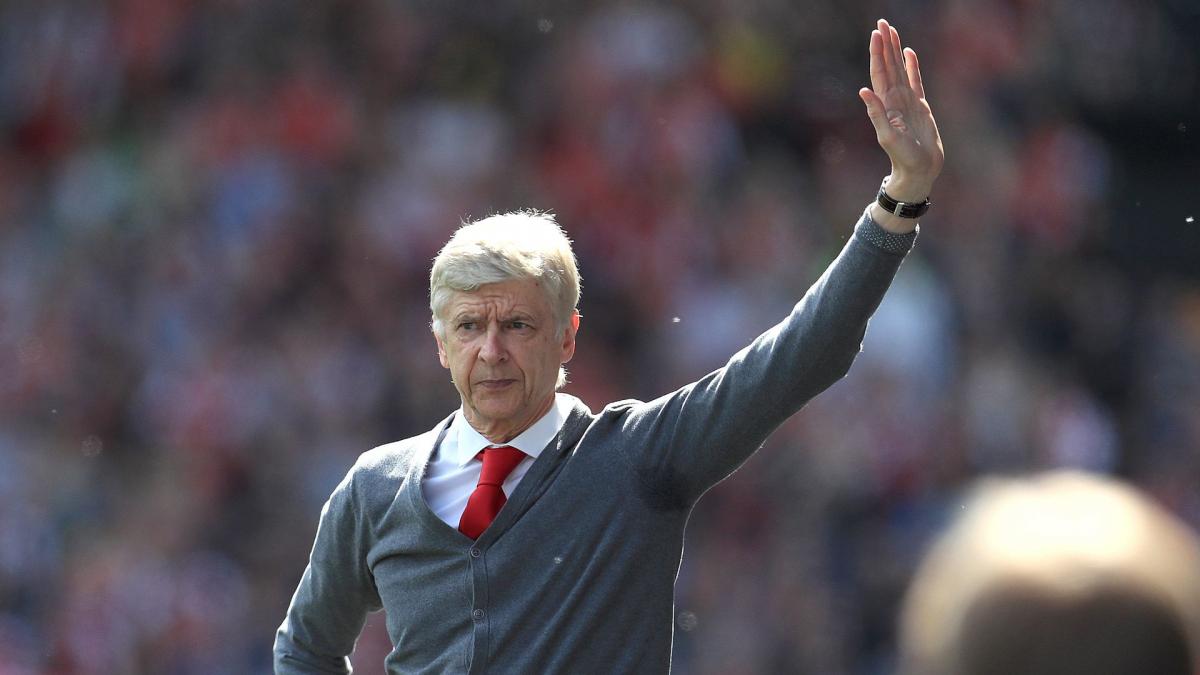
Wenger Reflects on the 2006 Champions League Final
Twenty years after the heartbreaking loss in the UEFA Champions League final against FC Barcelona, former Arsenal manager Arsène Wenger revisited that pivotal match. Currently serving as FIFA’s director of global football development, Wenger shared his reflections on the circumstances surrounding the defeat, emphasizing that the loss cannot be attributed solely to the early red card handed to goalkeeper Jens Lehmann.
Key Factors Behind the Loss
In an interview with The Sun, Wenger highlighted crucial elements of the team’s preparation that he believes critically influenced the outcome. He noted that Arsenal arrived at the Stade de France only 45 minutes before kick-off, citing travel restrictions that prevented them from using the highway. This unexpected delay was not just a minor inconvenience; it set the tone for a match filled with high stakes.
Wenger lamented, “Our biggest regret is having played with ten players for 70 minutes.” Despite leading 1-0 and having multiple opportunities to extend that lead, the team ultimately succumbed to a 2-1 defeat against a formidable Barcelona side. The sentiment of regret lingers for Arsenal fans, as this final stands out as one of the club’s most significant missed opportunities in history.
The Impact of Early Setbacks
Lehmann’s red card in the early minutes cast a long shadow over the match. While it is easy to attribute the defeat to being a man down, Wenger insists that other factors must also be taken into consideration. The team, while initially confident after scoring first, struggled to maintain composure and capitalize on their chances.
Wenger’s analysis suggests that psychological readiness and environmental factors play crucial roles in a team’s performance. Arriving late may have contributed to a lack of focus, thus impacting the players’ mindset before the match even began.
Lessons Learned
Reflecting on this experience, Wenger emphasizes the importance of preparation, timing, and mental fortitude in critical moments. For Arsenal, the defeat was not just a loss on the scoreboard but a learning opportunity that would inform their approach in future high-pressure games.
As Arsenal gears up to face PSG in their next fixture, scheduled for Saturday at 6 p.m., the echoes of past failures continue to shape the narrative for one of England’s most storied clubs. Fans will hope that the lessons from 2006 have been duly noted, paving the way for better outcomes in the years to come.
Conclusion
Arsène Wenger’s insights into the 2006 Champions League final remind us that every match is a complex interplay of preparation, circumstance, and execution. For Arsenal, the pain of that night in Paris is a bittersweet memory—a reminder of what could have been, but also a crucible for future endeavors.
As the Gunners look forward, the legacy of past encounters, especially against giants like Barcelona, will undoubtedly remain a motivational cornerstone in their pursuit of European glory.