
Two Different Visions for Real Madrid
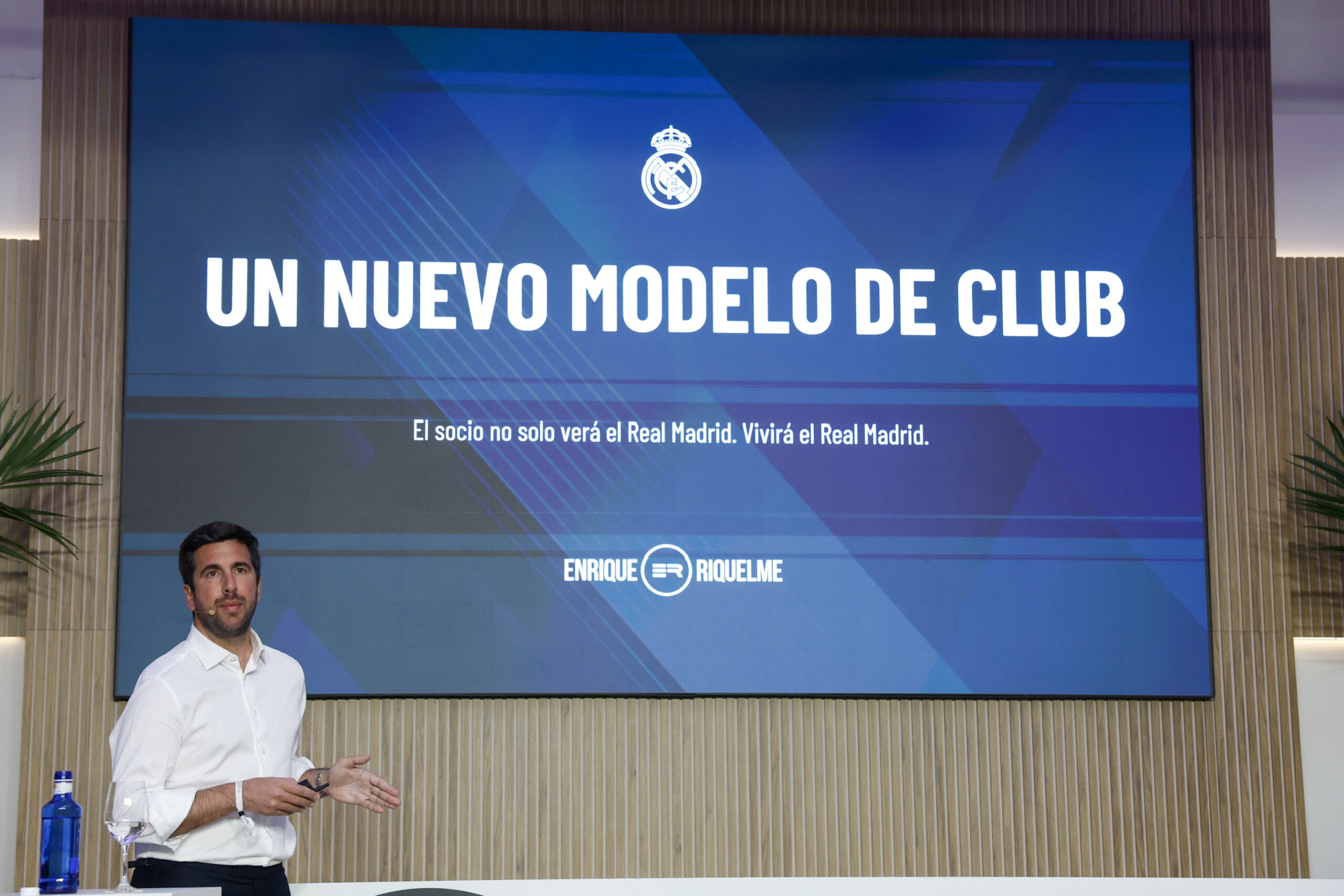
The recent presentations in Madrid showcased not just two candidacies for the presidency of Real Madrid but also two distinctly different worlds. Florentino Pérez, at 48, first ran for the presidency of the club three decades ago, while Enrique Riquelme, at 37, now presents himself as a challenger. The gap between these two figures signifies a larger divide in philosophy and approach toward the club’s future.
Contrasting Presentation Styles
The venues for their campaign launches highlighted their differing styles. Riquelme chose a tech-forward mini-auditorium for his theme, “Legacy and Future,” focusing on engagement with a younger demographic. In stark contrast, Pérez opted for the traditional Hotel Melia Castilla, presenting his vision titled “Much History Yet to Make.” The slogans themselves reflect their philosophies—Riquelme’s emphasis on future legacy versus Pérez’s focus on established traditions and accomplishments.
A Demographic Divide
Riquelme’s audience was predictably smaller and younger compared to Pérez’s event, which attracted a more mature crowd, showcasing icons from the club’s past, such as Ronaldo Nazario and Roberto Carlos. This division is not just aesthetic; it symbolizes the generational shift in fan engagement and the expectations of leadership.
Tone and Approach: Attack vs. Defense
The tone of both candidates diverged sharply. Riquelme managed to critique Pérez’s administration, specifically questioning the plans he announced in the 2025 General Assembly, which Riquelme views as a precursor to privatization. However, his critiques were subtle, often emphasizing the need for unity among club members.
Pérez, on the other hand, did not hold back his criticisms. He struck a harsh tone against Riquelme, framing him as a product of what he calls the “darker era of Madridism,” associated with former president Ramón Calderón. He portrayed Riquelme and his supporters as individuals interested in personal gain rather than serving the club’s best interests.
Shared Goals but Different Strategies
Interestingly, both candidates professed to center their proposals around “the member” of the club. This common mantra indicates a recognition of the importance of member engagement, yet it raises questions about practical execution. Each aims to enhance the social club experience but diverges in methods—Riquelme emphasizes entertainment, while Pérez focuses on technological innovation.
Addressing Controversies
The ongoing Negreira case is a topic that intersects both campaign narratives. While Riquelme claims that action has been taken too late, Pérez positions himself as a proactive leader fighting against issues that continue to tarnish Spanish football.
Absence of Sporting Proposals
Despite the star power present at Pérez’s launch, including football legends, he refrained from offering concrete sporting proposals, stating merely that “the best players will always play for Real Madrid.” Riquelme also deferred specific sporting strategies, indicating that he would unveil those in due course.
Two Futures for Real Madrid
With over 40 years of life experience separating them, Pérez and Riquelme depict two very different futures for Real Madrid. Whether through their political maneuvers or fundamental philosophies, it’s evident that they inhabit separate worlds, each proposing their unique vision for the Club’s future.