
Lisuan Tech Unveils the LX-7G100: A GPU Five Years Late
China’s quest to achieve complete independence in the field of semiconductors has taken a new step. However, this latest effort reveals that the Asian giant is still far behind leading semiconductor manufacturers that dominate the market.
The Promised Alternative for Gamers
Lisuan Tech (砺算科技), a Chinese company dedicated to semiconductor manufacturing, has launched its new GPU for the consumer market— the LX-7G100. This gaming GPU was anticipated to rival popular graphics cards in the market, but reality tells a different story.
Price and Performance Discrepancies
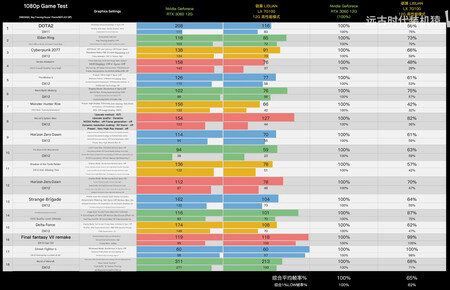
The official starting price of the LX-7G100 is 3,299 yuan (approximately 420 euros). At this price point, one would expect performance akin to at least the RTX 5060 Ti, typically priced under 400 euros. Unfortunately, early benchmarks show that this expectation is unmet.
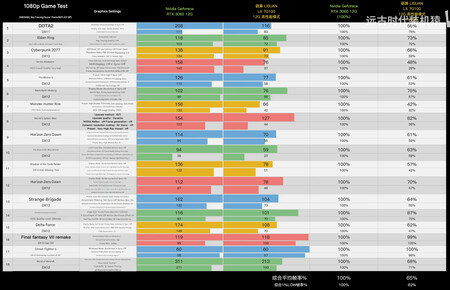
Performance tests of the LX-7G100 typically fell well short of the RTX 3060.Source: NotebookCheck.
Performance Underwhelming Compared to RTX 3060
Initial evaluations of the LX-7G100 indicate that it struggles to compete with the Nvidia RTX 3060 from 2021. Interestingly, it offers only around 65% of the performance of its rival. This puts the LX-7G100 far behind expectations for a card positioned to compete within the same price bracket.
Specifications that Fall Short in Reality
On paper, the LX-7G100 boasts commendable specifications, including a 7G106 GPU and 12 GB of GDDR6 memory. However, it notably lacks mature support for DirectX 12 and fails to provide alternatives to Nvidia’s DLSS or AMD’s FSR technologies. Users have reported significant performance drops in modern games due to rendering glitches and code translation bottlenecks.
Limitations in AI Applications
Lisuan Tech also aimed to position the LX-7G100 for AI workloads, aspiring to facilitate local and private AI models. Nevertheless, most AI projects are heavily reliant on Nvidia’s CUDA architecture. Although the company provides a proprietary compatibility layer to translate PyTorch and CUDA code to its native setup, the loss of efficiency is substantial. This inefficiency translates into slower inference and training tasks compared to competitors.
The Challenges Ahead for Lisuan Technology
Originally announced over a year ago, the first milestones of the LX-7G100 indicated its intention to challenge the RTX 4060 level. However, financial hurdles plagued the project, with Lisuan requiring an injection of $27.7 million to sustain development. The ongoing performance issues and pricing concerns raise doubts about the GPU’s future in a competitive market, particularly outside of China, where Nvidia’s offerings remain prevalent.
As the semiconductor landscape continues to evolve, it’s evident that Lisuan Tech has a long journey ahead to establish itself as a viable alternative in the GPU market.