
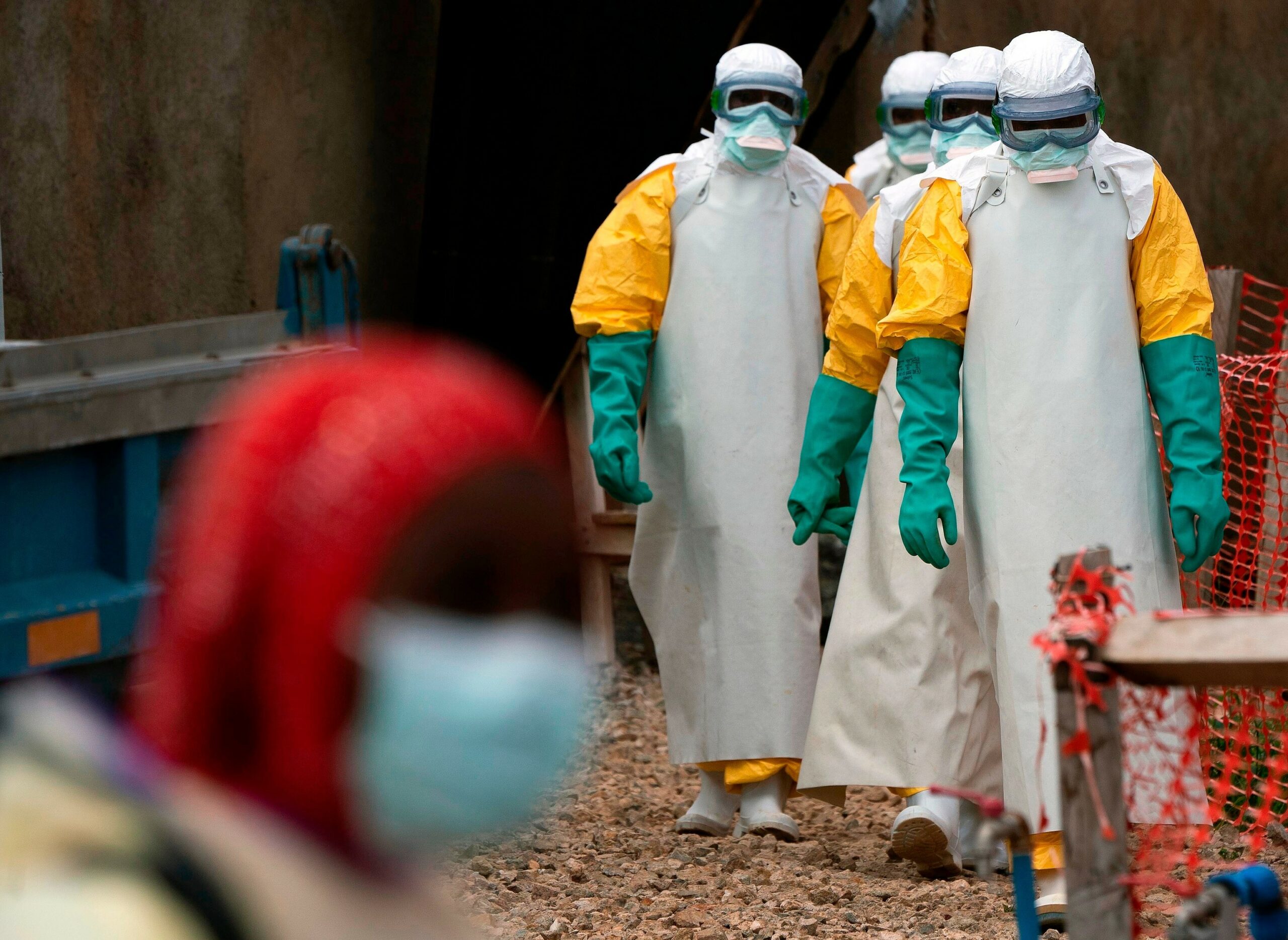
WHO Raises Ebola Risk to “Very High” in the Democratic Republic of Congo
The Director-General of the World Health Organization (WHO), Tedros Adhanom Ghebreyesus, has announced a significant escalation regarding the Ebola outbreak in the Democratic Republic of Congo (DRC). The risk level has been elevated to “very high at the national level,” following the confirmation of 82 cases and 7 fatalities, alongside approximately 750 suspected cases and 177 deaths currently under investigation.
Current Situation in Democratic Republic of Congo
Previously, the WHO had categorized the risk as high on both national and regional levels, while deeming it low globally. However, recent developments have warranted a reassessment. Tedros noted in a press conference that the new evaluation states: “Very high at the national level, high at the regional level, and low at the global level.”
Despite the alarming situation in the DRC, neighboring Uganda has managed to maintain stability. The country has reported two confirmed cases and one death, with no new infections or fatalities. This success is attributed to rigorous contact tracing and the cancellation of the Martyrs’ Day celebrations, which likely helped prevent further transmission of the virus.
Impact on Local Populations
The WHO’s updated statement has highlighted additional challenges, particularly the worsening security conditions in the affected regions. Recent fighting has displaced over 100,000 people, leading to a humanitarian crisis wherein nearly 4 million people urgently require assistance. Among them, 2 million are displaced, and approximately 10,000 are experiencing acute hunger. The local population’s trust in foreign authorities remains low, complicating response efforts further.
Medical Treatments and Vaccines
In the fight against this outbreak, several treatment options have been identified. The WHO is prioritizing the advancement of two monoclonal antibody treatments and evaluating an antiviral drug for post-exposure prophylaxis among high-risk contacts. Collaborations with the Africa Centres for Disease Control and Prevention are underway for these clinical trials, along with discussions surrounding the development and manufacturing of candidate vaccines.
Sylvie Briand, the director of the WHO’s Department for Epidemic Preparedness and Prevention, emphasized that while some medications have shown effectiveness against the Bundibugyo strain of Ebola, there is still no specific vaccine available for this outbreak. However, promising candidates are under evaluation, with clinical trials expected to take six to nine months for potential vaccines.
Future Directions
The development of a candidate vaccine using a chimpanzee adenovirus platform is currently in production, driven by a joint initiative between the University of Oxford and the Serum Institute of India. However, data supporting human trials is still insufficient, making it crucial to await animal study results before the vaccine can be considered ready for human testing.
Conclusion
As the WHO ramps up its response amid growing concerns, it is imperative for local and international communities to collaborate and support the DRC in overcoming this outbreak. Strengthening healthcare systems, improving humanitarian assistance, and boosting public health awareness are essential steps to mitigate the impact of Ebola in the DRC and prevent future outbreaks.