
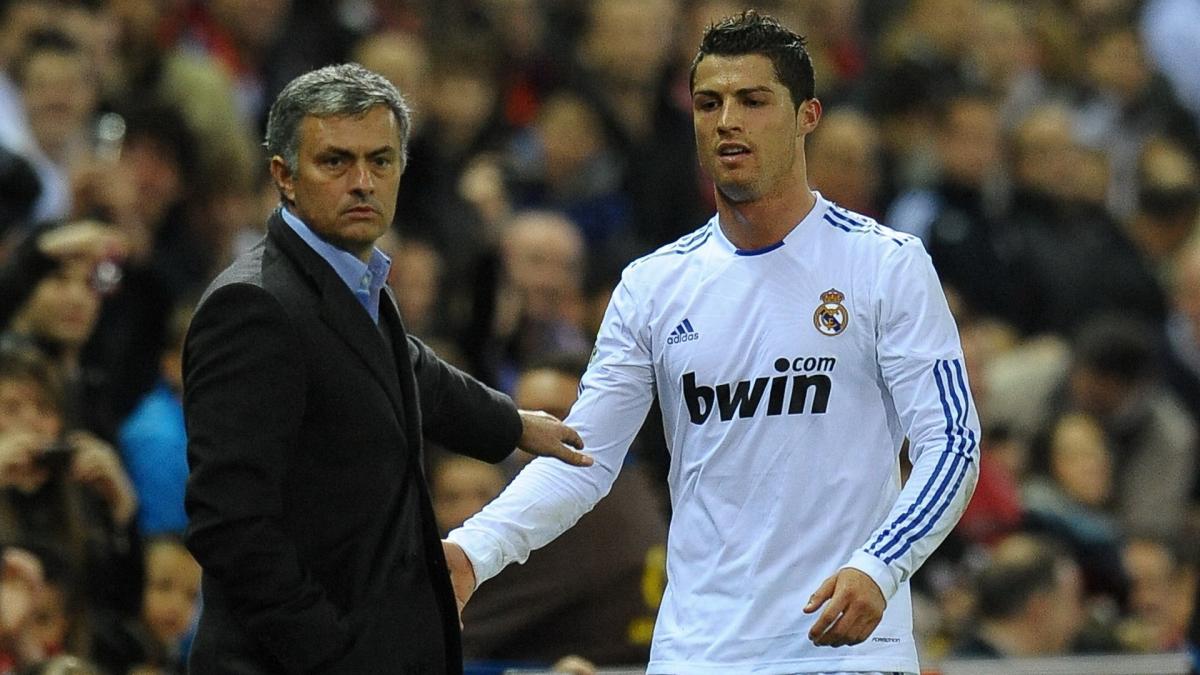
## Mourinho’s Return: A Divided Madrid
For many, the return of José Mourinho evokes a sense of historical reverence; for others, it’s reminiscent of past turbulence. The decision by Florentino Pérez to reappoint the “Special One” has sparked a fierce debate among Madridistas, creating factions of hope and trepidation. Some supporters view Mourinho’s recent coaching stumbles as evidence of his decline, doubting his ability to replicate the tactical brilliance he once showed at Porto and Inter. Yet, there are those who argue that his robust character and determination could be just what Real Madrid’s current squad needs amid growing tension within the team.
## The Context of 2010
Arriving at Real Madrid in 2010, Mourinho faced a daunting challenge. The club had been overshadowed by Pep Guardiola’s dominant Barcelona, and years of European disappointments loomed large. Initial signs of promise quickly turned sour when he suffered a humiliating 5-0 defeat against Barça during his first La Liga Clasico in November 2010. This defeat marked a turning point, prompting Mourinho to adopt a more aggressive stance, and effectively shifting the narrative of his tenure.
### Anti-Barcelonism: Fuel for Rivalry
Following the 5-0 loss, Mourinho intensified his rhetoric against Barcelona, becoming a key figure in the growing tension between the two clubs. He frequently critiqued the refereeing decisions that appeared biased toward Barça, echoing through the Madrid fanbase and igniting a fervid anti-Barcelonism. The Portuguese manager’s tirades included infamous moments like his “Por Que?” speech, questioning former referees’ integrity, which further fueled mistrust and animosity.
While some Madridistas rallied around Mourinho, enjoying a sense of validation against their rivals, the sporting environment began to sour. His increasingly hostile relationship with the media, coupled with physical confrontations—most notably poking Tito Vilanova in the eye—created a narrative of division that transcended the pitch.
## A Divided Fanbase
Mourinho’s management style eventually began to fracture the Real Madrid fanbase. Tensions with notable players such as Sergio Ramos, Cristiano Ronaldo, and especially Iker Casillas created rifts within the locker room. Venerated players found themselves at odds, leading to splits among supporters who either fiercely supported Mourinho or opposed his methods. The atmosphere turned toxic, culminating in what many consider the biggest social crisis in the club’s history, marked by the rise of a vocal pro-Mourinho faction that engaged in heated and sometimes violent debates with their counterparts.
### Lingering Fears
The anticipation of Mourinho’s return has rekindled fears of rekindling such divisions among fans. Many are concerned that his approach may clash with the present-day dynamics of the squad and the broader footballing landscape, questioning whether it can effectively integrate with the current locker room culture.
## Achievements Amid Controversy
Despite the controversies, Mourinho’s tenure was not devoid of achievements. He led Real Madrid to the La Liga title in the 2011/2012 season, accumulating an impressive 100 points. His tactical acumen revitalized a squad that had faltered, providing the foundations that many believe ultimately contributed to the Champions League victory in 2014, shortly after his departure.
## Conclusion: A New Chapter?
José Mourinho’s return to Real Madrid may be fraught with potential for both triumph and turmoil. With a divided fanbase and a complex locker room, how he adapts to this environment will be pivotal in defining his legacy in this second spell. Only time will tell whether the Special One can become the hero Madrid needs, or if he will again unleash the specter of division among the club’s faithful supporters.