
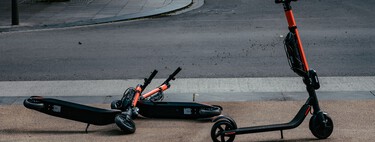
You probably remember it if you have lived in a Spanish city in the last ten years. Overnight, your city was filled with electric scooters and shared bikes. Everywhere. Some well parked, others that made you feel like a 3,000-meter steeplechase athlete.
Spain’s Shared Micromobility Boom
As the last decade nears its end, Spain joined the wave of shared micromobility. Our streets became populated with operators offering electric scooters, bicycles, and cars under a pay-per-use model that seemed poised to revolutionize urban mobility.
This trend coincided with the introduction of low-emission zones. In late 2018, Madrid launched Madrid Central to reduce car traffic in its city center. By 2019, Barcelona adopted similar measures across the entire metropolitan area. The message was clear: city centers needed less car congestion, and young people were increasingly disinterested in owning cars. The expectation was that public transport would seamlessly blend with shared scooters and bicycles.
The Rise and Fall of Shared Mobility
Today, the scene has changed dramatically. What once seemed like a model of efficient door-to-door mobility has largely vanished.
To understand this shift, researchers Andrés Camacho Donezar and Carmen Valor Martínez conducted a study on the evolution of ten operators in Spain’s micromobility sector. Their findings shed light on the challenges these businesses faced and how what initially appeared to be an effective model faltered over time.
Benefits and Challenges of Shared Micromobility
The study highlights three main benefits of shared micromobility: affordability, social accessibility, and environmental sustainability. Yet, despite these advantages, operators struggled to maintain profitability. In Madrid, for instance, 18 companies fought for users, but regulatory changes ultimately limited this competition, with a ban on scooters anticipated in 2024.
City Responses and Regulatory Challenges
The process in cities like Barcelona and Seville has been similar. While private companies attempted to grow their user base, local residents often felt divided, facing disruptions caused by poorly managed scooters. Over time, complaints surged, pressuring city councils to take action against the influx of scooters.
Systemic Issues and the Future of Micromobility
The study notes that issues like vandalism and high operational costs became increasingly difficult for operators to manage. Furthermore, neighborhood complaints led to tighter restrictions, including the shift from “door-to-door” services to geolocated parking stations, diminishing the appeal of the service altogether.
Moreover, city councils began to see the potential for revenue in managing micromobility services privately. Public bicycle sharing services emerged as a viable alternative, creating limited parking spaces and capitalizing on the shortcomings of private operators.
The Dwindling Appeal of Electric Scooters
As a result, only a few shared electric scooter companies remain, mainly pivoting towards providing services for tour operators or municipal partnerships, such as Lime in Getafe (Madrid). With stringent restrictions like geolocation and limited parking zones, profitability has become nearly impossible for traditional scooter-sharing models. Public bike services have effectively outcompeted them, leading to a substantial decline in the sector.
In summary, while shared micromobility appeared to hold immense potential, it has largely faltered in practice, marking a significant shift in urban mobility trends.
Photo | Jonas Jacobsson