
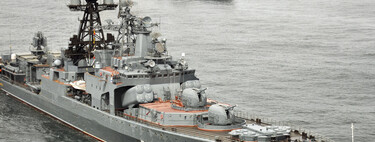
The Soaring Presence of Russian Ships in the Canary Islands
Since the sabotage of the Nord Stream gas pipeline in 2022, the security of underwater infrastructure has become a crucial priority for NATO. This event underscored the vulnerability of these systems and highlighted a significant gap in legal frameworks designed to protect them. In light of these developments, Spain’s Annual National Security Report 2025 indicates an alarming trend: the number of Russian ships near the Canary Islands has surged fivefold in recent years.
The Exposure of the Ghost Fleet
Recent reports reveal that the Spanish Navy’s Maritime Action Operations and Surveillance Center (COVAM) is detecting approximately 50 Russian vessels in state waters each week, particularly around the Canary Islands, Alboran Sea, and the Strait of Gibraltar. Dubbed the “ghost fleet,” these ships are known to sail under flags of convenience, utilizing opaque insurance methods. Their official mission purportedly involves transporting oil from Russia, Venezuela, and Iran to Asia, effectively bypassing international sanctions.
Importance of Submarine Infrastructure
Submarine cables are the backbone of global communications, accounting for approximately 99% of internet traffic. These cables carry sensitive data essential for financial operations, military communications, and more. Spain plays a pivotal role in these networks, connecting Europe, America, and Africa. Therefore, any damage to the underwater infrastructure could have immediate and dire consequences for both national and global communication systems.
The European Commission is acutely aware of this threat, incorporating concerns about physical sabotage, cyberattacks, and hybrid warfare into its recent action plan aimed at securing submarine cable operations. Current alerts from Baltic nations to NATO have pointed out the risks posed by this ghost fleet, which has interfered with GPS signals and has the potential to damage crucial cables and energy infrastructures in sensitive areas, such as the Canary Islands.
The Broader Context of Russian Strategy
The increase in maritime activity is a facet of Russia’s hybrid warfare strategy, primarily aimed at destabilizing European security. By operating below the threshold of open conflict, these actions create chaos without crossing into outright war. The vulnerabilities inherent in underwater infrastructures make them ideal targets for such strategies.
The DSN report underscores that while Spain may not be the primary target of Russian operations, the amplified presence of this ghost fleet in the Western Mediterranean brings about considerable risk. Historical precedents, including cable cuts in the Baltic, serve as a stark reminder of the tangible threats involved.
Spain’s Response to Maritime Threats
In response to these developments, Spain has ramped up its surveillance capabilities through systems such as the Integrated External Surveillance System (SIVE). This initiative, led by the Civil Guard, aims to monitor and track suspicious vessels in real time. Coordinated patrols by the Spanish Navy and close cooperation with the European Maritime Safety Agency further fortify the country’s maritime security framework.
However, the report also indicates a significant gap: while Spain is well-equipped to detect these vessels, its capacity to respond effectively is lacking. This vulnerability is partly due to the constraints of the United Nations Convention on the Law of the Sea, which limits states’ capabilities to intercept foreign vessels in international waters without adequate legal justification.
Conclusion: A Call for Enhanced Security and Legal Frameworks
As Spain navigates this challenging landscape, it must prioritize technological resilience and maintain vigilance against potential incidents—both accidental and deliberate. Ongoing discussions within the EU Action Plan aim to address these gaps, but current legal instruments are insufficient to combat the nuanced threats posed by vessels operating in the gray areas of maritime law.
Given the increasing significance of underwater infrastructures in global security, a unified and robust response is imperative to fortify Spain’s defenses against the looming shadow of the Russian ghost fleet.